Designer: Lawrence Van Etten (1905), Donald Ross (1919, Redesign), Robert White (1923, Redesign), A.W. Tillinghast (1931, Redesign), Robert Trent Jones Sr. (1960, Redesign), Hal Purdy (1960s, Renovation), Stephen Kay (1990, Renovation), Arthur Hills (1994, Renovation), Bill Coore/Ben Crenshaw (2006, Renovation)
Location: New Rochelle, New York
History: Originally known as Pelham Country Club, Wykagyl was founded in 1898 with a small, 9-hole course for its members. The fledgling Club moved to its current location in New Rochelle in 1904 and was renamed the unusual name Wykagyl, likely derived from Native Americans who used to live in the area.
Wykagyl has a long and interesting architectural history and the first 18-hole course was laid out by member and local architect Lawrence Van Etten in 1905. In 1919, Donald Ross arrived and redesigned the course and fellow acclaimed architect A.W. Tillinghast performed a further redesign in 1931. While Wykagyl has been touched by numerous architects since then including most recently a 2006 renovation by Bill Coore and Ben Crenshaw, today’s course is mainly credited to Ross and Tillinghast.
Wykagyl holds the distinction of hosting the first meeting of the Professional Golfers Association (PGA) in 1916 and is often referred to as the “Cradle of PGA” because of this. Wykagyl’s early golf professionals included U.S. Open winners Horace Rawlins and Alex Smith, as well as the first President of the PGA, Robert White. The course has also hosted numerous tournaments throughout the years including the PGA Tour’s Goodall Palm Beach Round Robin, LPGA’s Big Apple Classic, and local events such as the Ike Championship and Metropolitan Open. Current accolades for Wykagyl include:
- #102 Best Classic Course in America – Golfweek (2025)
- #22 Best Course in New York – Golf Digest (2025)
- #18 Best Course in New York – Golf Magazine (2024)
- #17 Best Course in New York – Top100golfcourses.com (2024)
Conditions: 9/10, The conditioning at Wykagyl is as you’d expect from a private course in Westchester County, with speedy greens, thick rough, and well-manicured fairways and teeboxes.
Value: N/A, This is a private course.
Scorecard:
Tee Par Yardage Rating Slope
Blue 72 6690 73.2 138
White 72 6402 71.8 136
Red 73 5693 73.7 139
Hole Descriptions: At first glance, it’s hard to imagine that a course credited to Ross and Tillinghast sitting just a few miles north of Manhattan could be underrated, but that’s exactly the case with Wykagyl. This is part of what I’d call the “Westchester Phenomenon” where the depth and quality of private clubs is the best in the World and many excellent courses fly under-the-radar. Those who have had the fortune of playing here, however, know what an absolute fantastic course and Club it is and the membership should be very proud.
Similar to many of its neighbors in Westchester, Wykagyl is a parkland layout built on a somewhat compact property. The course uses the land tremendously, with a routing up and down the rocky hillsides. Defining features of the course include small, challenging greens, a standout set of par threes, and rocky outcroppings that make for wonderful visuals. The classic feel, small greens, and rocky terrain remind me somewhat of The Country Club in Brookline. Overall, this is a superb golf course and certainly among the best offerings in a stacked area.
Wykagyl opens with its longest hole in the 537 yard par 5 1st. A slender downhill dogleg left, this hole features a semi-blind teeshot to a narrow fairway lined by rough and trees on either side. At about 330 yards, the fairway turns slightly to the left around a pair of peculiarly shaped bunkers. While the lay-up area is fairly open, a creek separates the end of the fairway and green and this is certainly enough to give longer hitters pause when trying to get home in two. This putting surface slopes mostly back-to-front with numerous bunkers surrounding it left, right, and long.
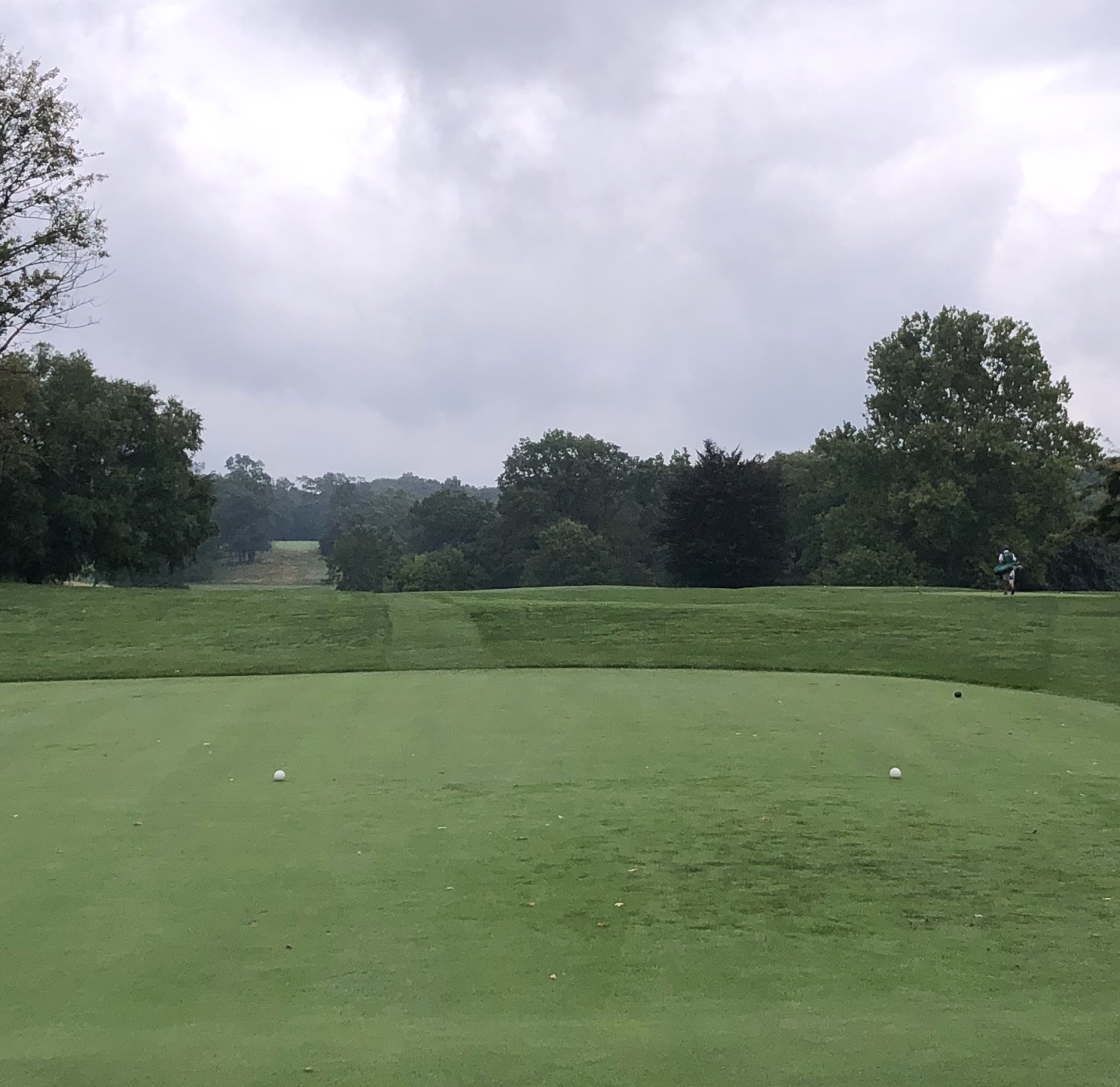


The 2nd hole plays along the edge of the property as a straightaway 396 yard par 4. With OB to the far left and trees to your right, this fairway is on the wider side and contains crossbunkers on either side around 255 yards. This green slopes back-to-front with deep bunkers flanking either side.

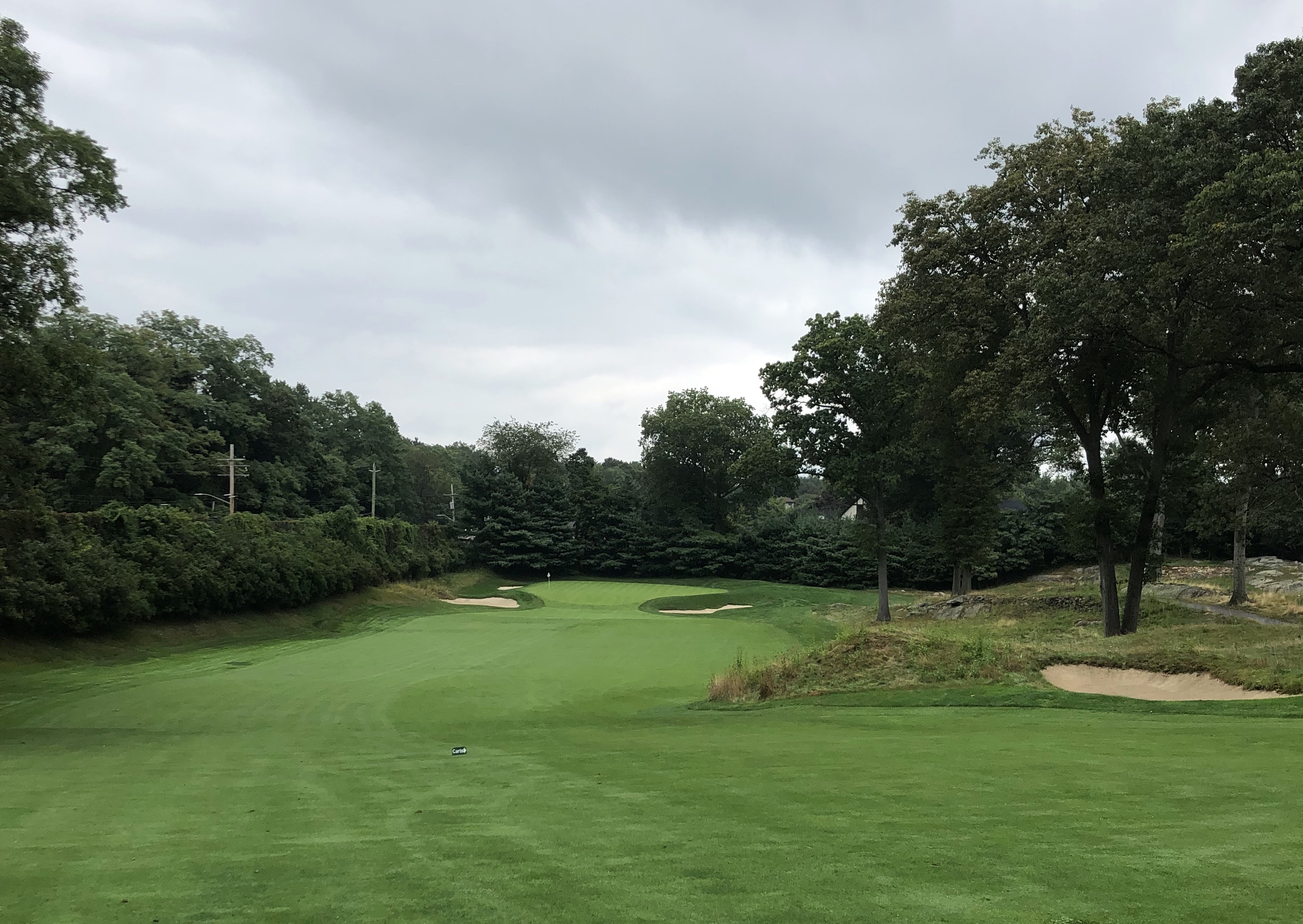
After two solid but less memorable holes to start, the course begins a phenomenal stretch at the par 4 3rd. At 456 yards, this is a deserving number 1 handicap and the longest par 4 on the course. Featuring somewhat of a blind teeshot over a plateau, this beastly hole begins to turn to the right at around 215 yards with a narrow fairway. You can’t tell from the teebox, but you run out of room quickly on the left with OB and anything too long and straight may flirt with this danger. Anything too far to the right will also be problematic, as trees begin down this side and can certainly block your approach. The final 160 or so yards play steadily downhill to another small, severely back-to-front tilted green lined by bunkers on either side.

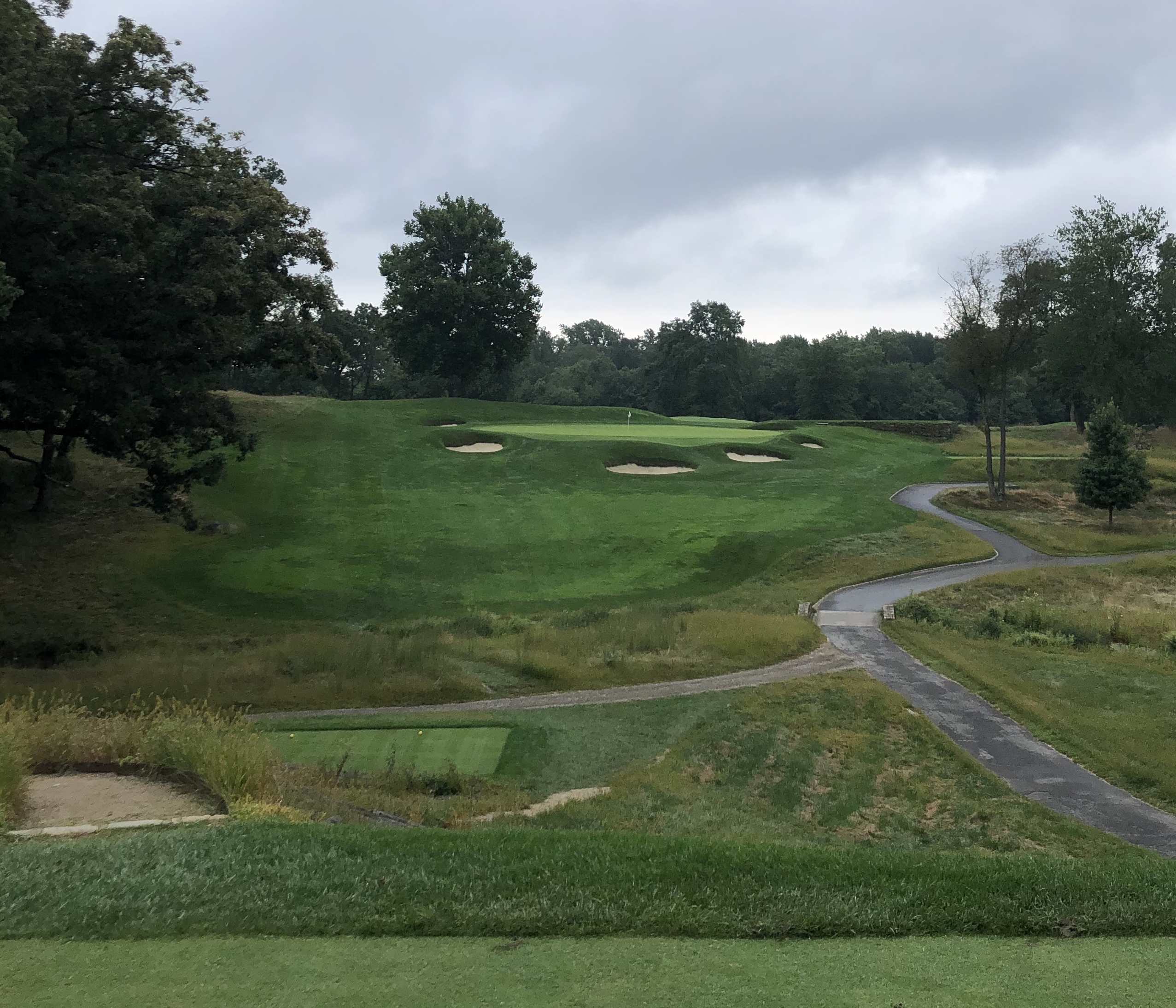
My favorite three-hole stretch at Wykagyl is the 4th – 6th, which features wild land movement on swampier land that was added in 1930 by A.W. Tillinghast. The 144 yard 4th is the shortest hole on the course and one of the finest short par threes you’ll find anywhere. This gorgeous hole plays over rocky crevices and a valley to a tiny pedestal green that slopes hard left-to-right with a higher left plateau. With five bunkers surrounding it on all sides, there really is no bailout here and you must hit a good approach to make par.

The 5th hole is a strong 397 yard par 4 and another interesting and unique hole. A dogleg right, this hole plays downhill on the teeshot to a fairly generous fairway lined by trees and a creek down the right. You want to play your teeshot down the left side here, as the bend of the hole and trees continuing down the right can block out an approach from the right fairway. This approach plays over the creek and another slab of fairway to an elevated, back-to-front sloped green defended by bunkers on either side.


At 525 yards, the 6th hole is a world-class par 5 and probably my favorite hole on the course. Running parallel to 5, this hole features a gorgeous downhill teeshot to a fairway that bends left around a mound of rough and is lined by the creek down the right for much of the landing area. On their second shot, golfers will have some interesting options, as the fairway sort of tightens and forms a valley with two early bunkers down the left and rocky outcroppings on the right. This back-to-front sloped green sits off to the right well-above the fairway and is defended by bunkers left, long, and right.


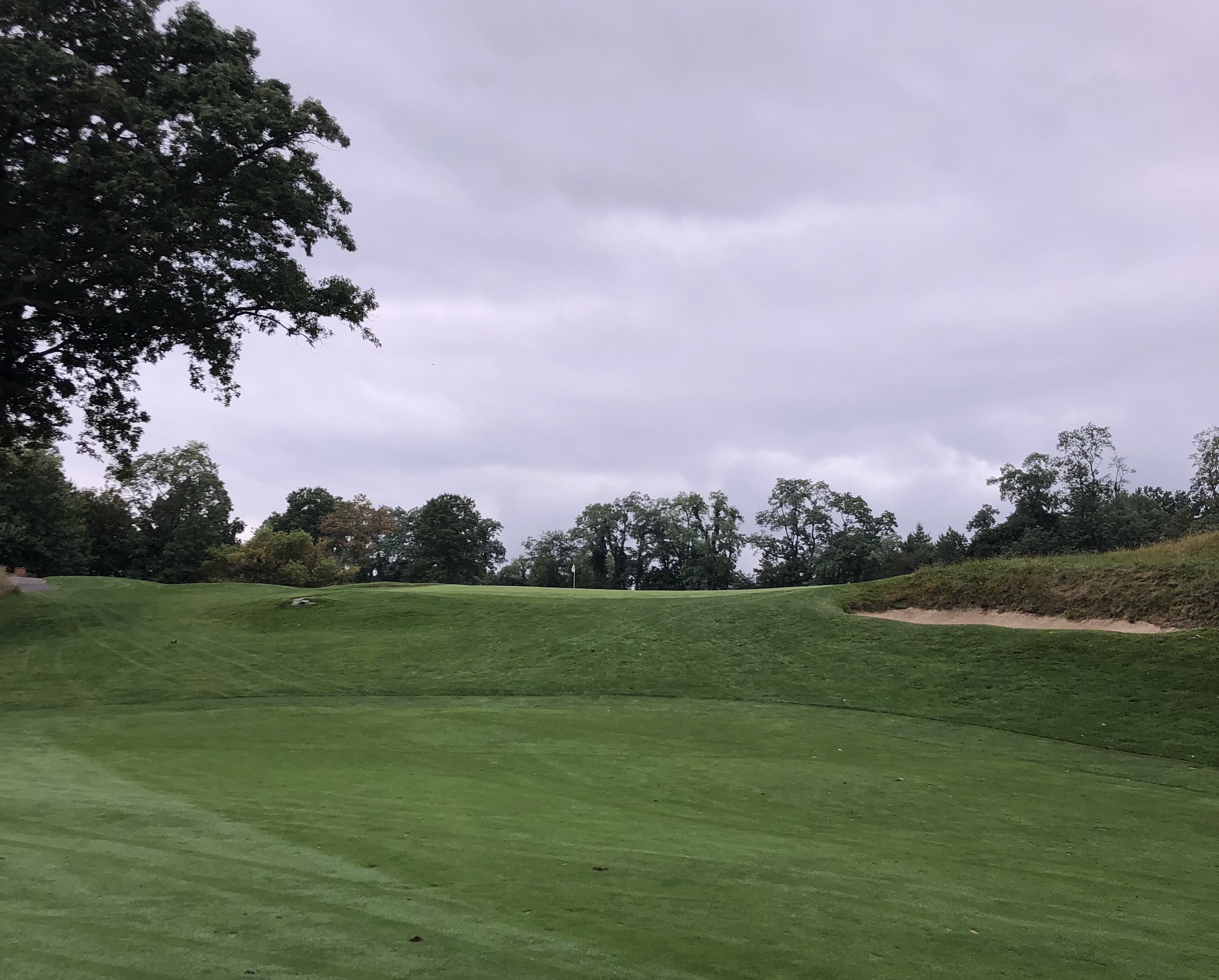
The 7th hole is Wykagyl’s second par 3 and another splendid offering at 171 yards. Playing slightly uphill over a valley of rough, this green is perched into the hillside and features the most severe back-to-front slope on the course. Six deep bunkers line the green short, left, and right but are almost certainly better destinations than going long into the rough.
The 8th is another standout hole and one of the better par fours in Westchester County. A sweeping 446 yard dogleg left, this hole sets up beautifully for a draw with a wide fairway that turns nearly 90 degrees left around two bunkers around 240 yards. Golfers who successful find this fairway will likely find a speed slot and get some additional distance. This fairway narrows with trees and rocks on the approach to a flatter green lined by a small left bunker and giant right bunker.
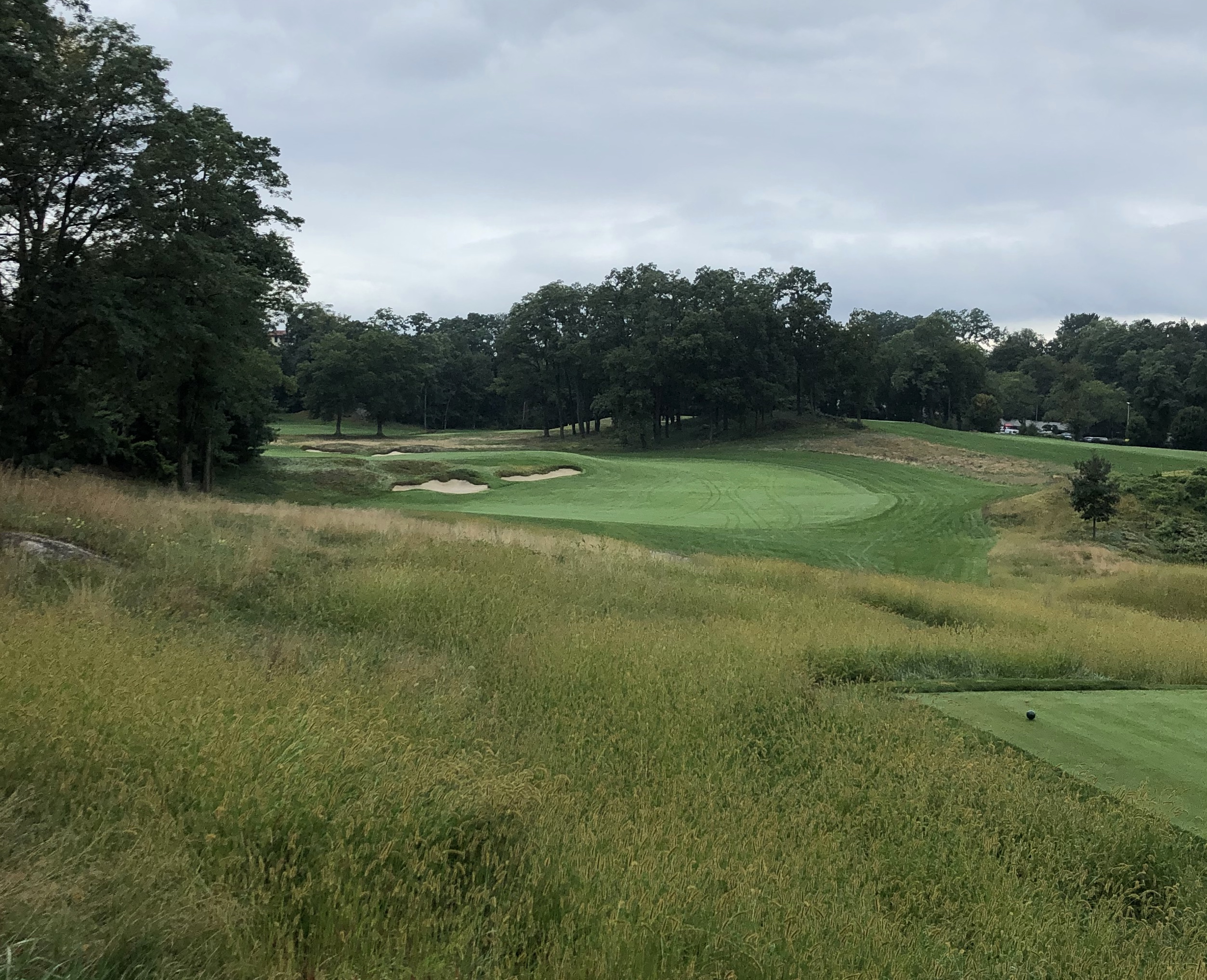
The 9th hole brings you back to the clubhouse as a 494 yard par 5. This is a somewhat unique and interesting hole with a teeshot to a fairway that bends slightly to the right and seemingly plays up a small mountain. At around 350 yards, the fairway crests and then plays steadily downhill towards the green. Most golfers will not be long enough to see the green on their second shot, however. This approach is a gorgeous one, with the stately clubhouse just beyond a back-to-front sloped green defended by several bunkers.


The 10th hole is yet another par 5 and plays away from the clubhouse at 513 yards. This is another strong and memorable hole that begins with an exhilarating downhill teeshot to a generous fairway. At about 310 yards, a creek runs diagonally across the fairway and golfers out of position must keep this in mind on their second shot. Once over the creek, the second half of the hole plays steadily uphill with a tighter, right-to-left sloped fairway leading to a narrow, severely back-to-front sloped green wedged into a hill with deep bunkers on either side.
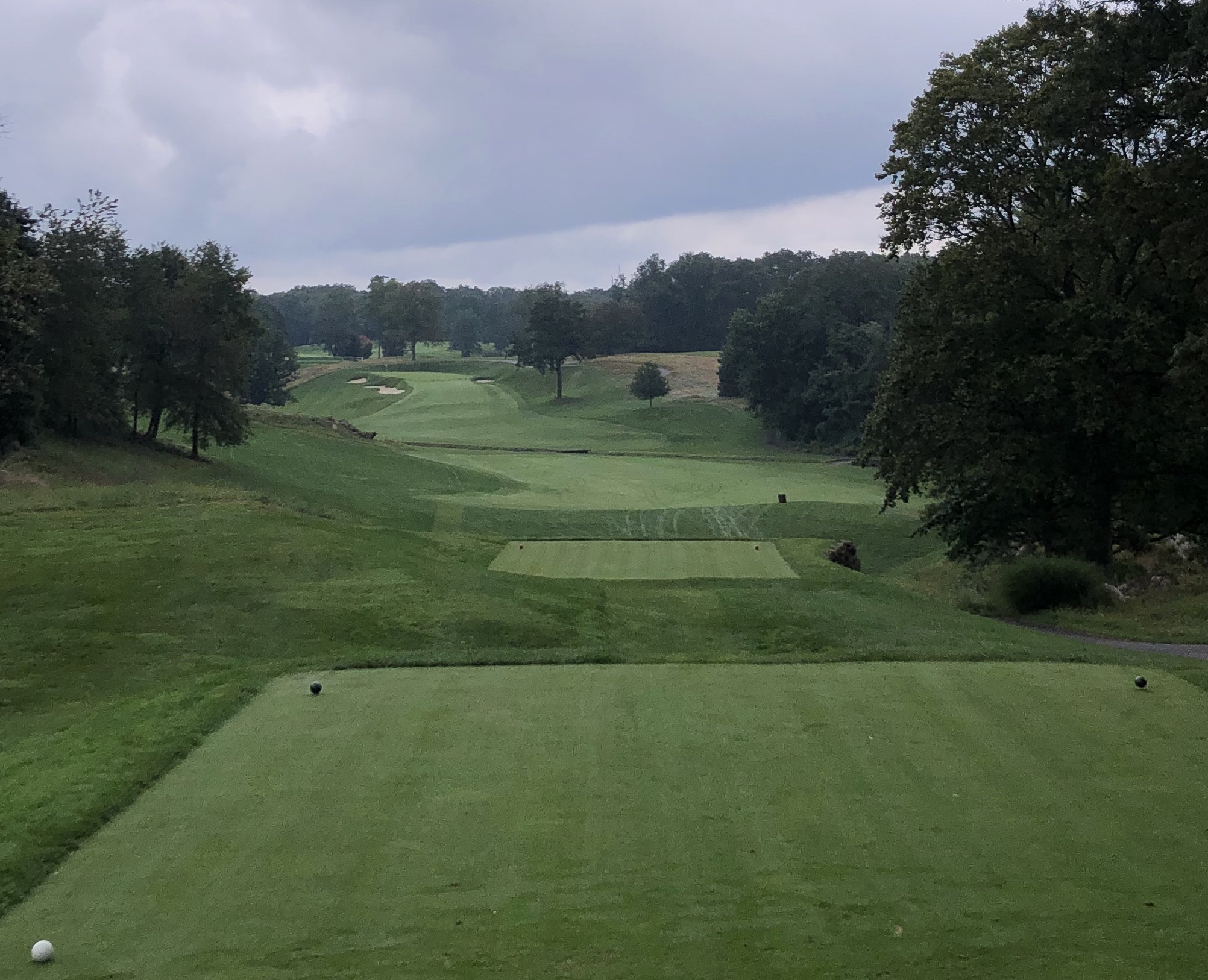

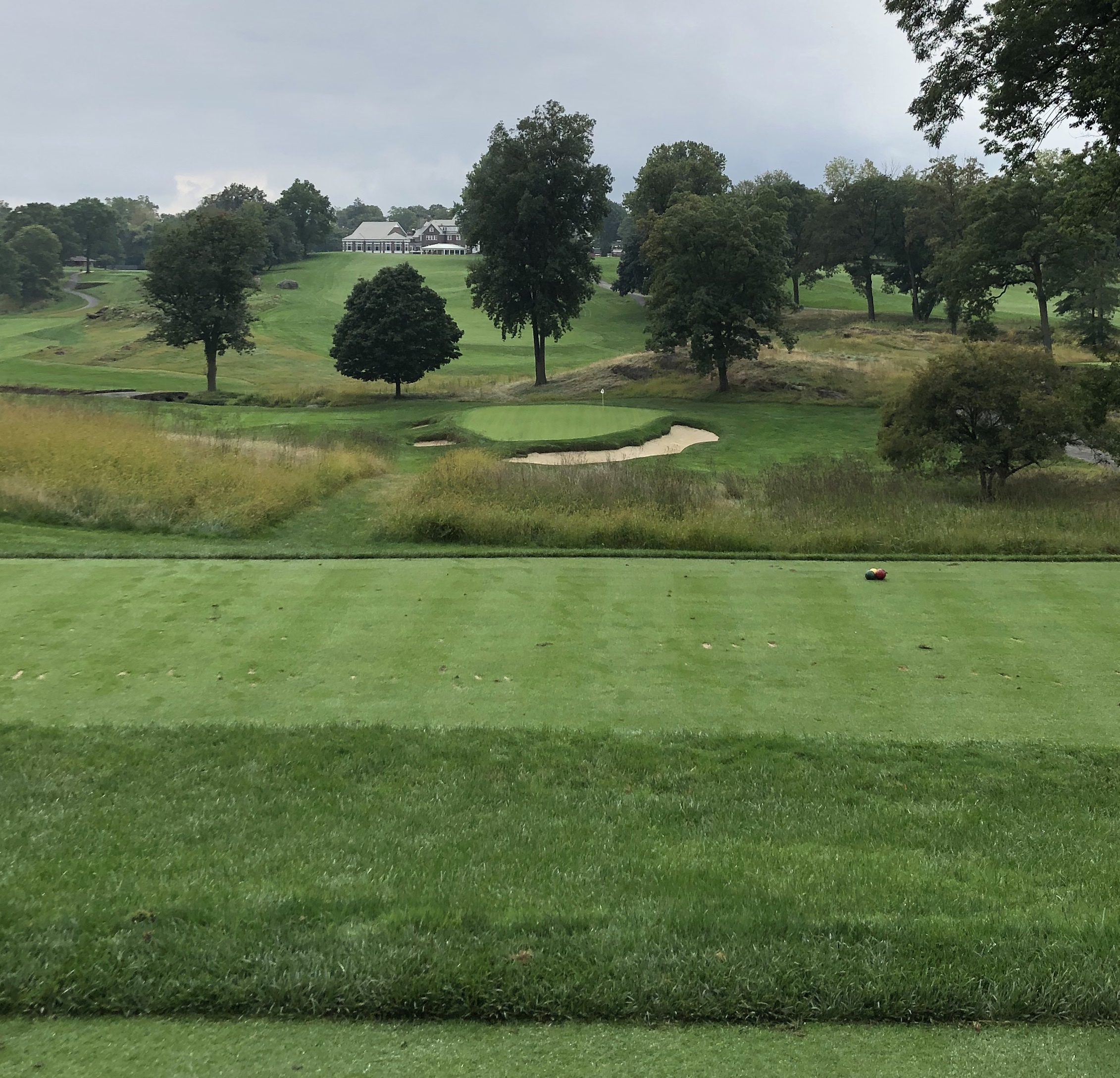
At 161 yards, the 11th hole is a fun and attractive dropshot par 3 with a small and subtle green defended by bunkers left, right, and short. The severe downhill nature and small green make this a more difficult GIR than you’d expect.
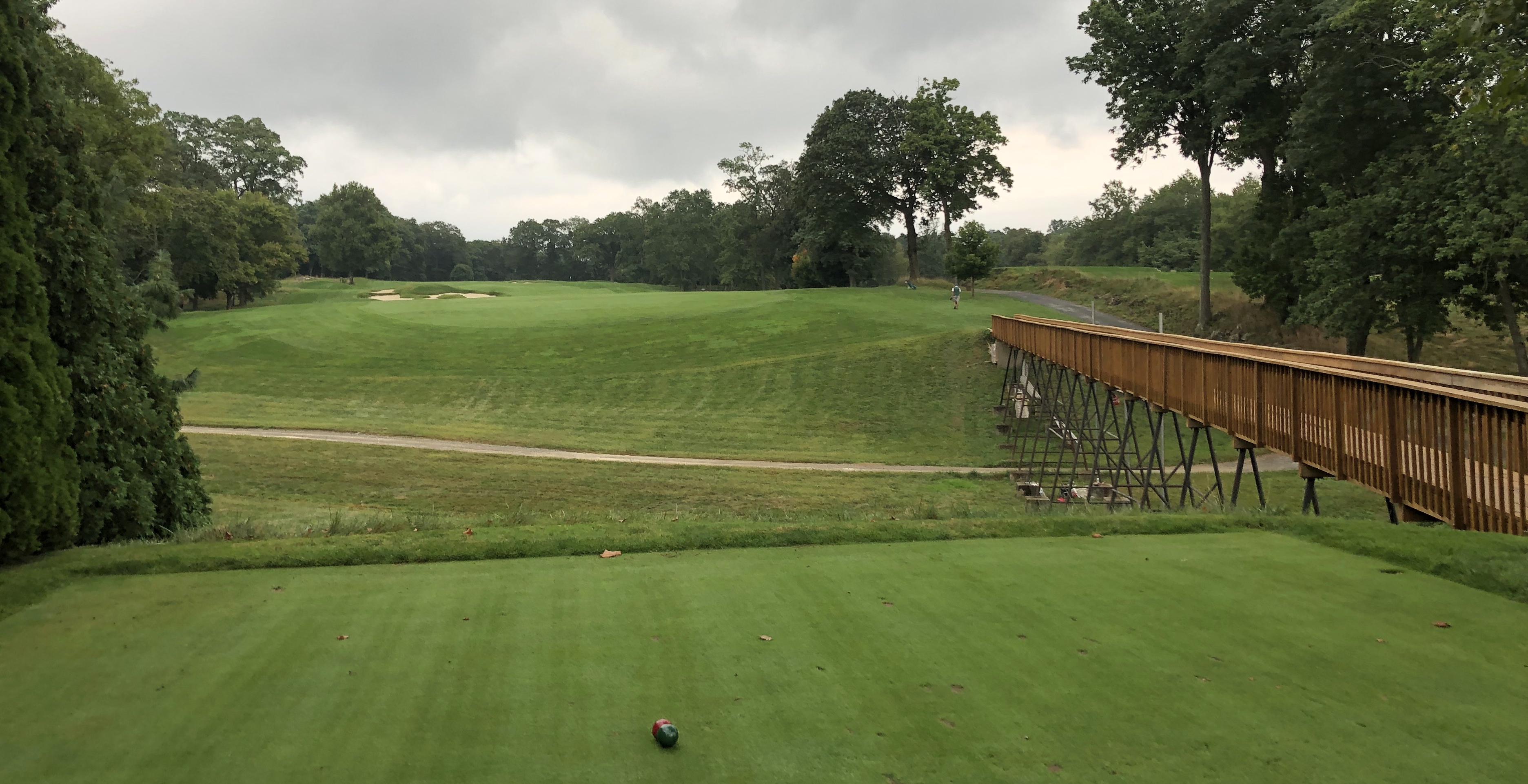
The 12th hole is the fifth and final par 5 on the course and plays straightaway at 499 yards. This hole begins with a teeshot over a valley to a wide fairway that narrows with a Great Hazard-like collection of bunkers down the left around 250 yards. Additional bunkers can be found down the right in the lay-up area, but golfers who can avoid the sand here have a great chance of making birdie or better on this shorter par 5. This putting surface contains a fierce false front and bunkers on either side.
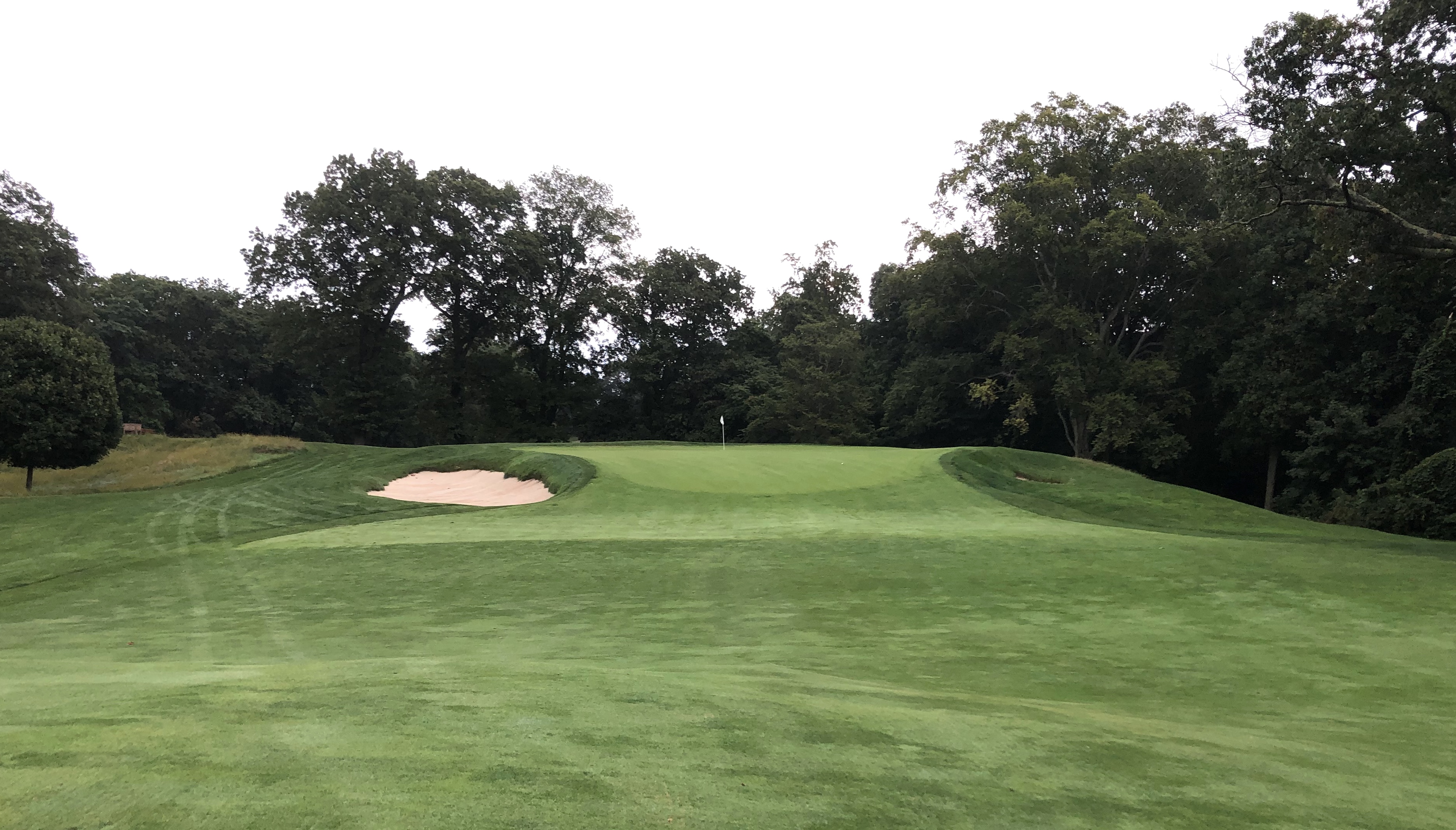
The 13th hole is one of two long, tough par threes on the back 9 at 209 yards. This one-shotter again plays over a valley to a green that slopes severely from its back right-to-front left with bunkers on either side. While there is plenty of fairway short and left to bailout, this remains a difficult GIR and par.

While I absolutely loved Wykagyl, I think it’s fair to say that the closing stretch is a bit less memorable than what you’ve seen up to this point and it sort of feels like maybe the architects ran out of room on this part of the property? With that being said, the 14th hole is probably the best par 4 remaining at 399 yards. Playing along the edge of the property, this is a downhill dogleg right with OB running down the left and numerous bunkers to the right of a heavily undulating fairway. This approach continues downhill towards a green containing a higher left plateau and severe right swale. Deep bunkers surround the green left, long, and right.


The 15th hole runs parallel the opposite direction to 14 as a 341 yard dogleg left par 4. This hole features a wide fairway lined by fescue down the left and a pair of left bunkers at 225 and 270 yards. This approach plays to an elevated, severely back-to-front sloped green flanked by bunkers.

At 224 yards, the 16th is Wykagyl’s longest but arguably most straightforward par 3. Likely requiring long iron or wood, this hole features a back-to-front sloped green defended by bunkers left, long, and right.

The 17th hole is a short and quirky 356 yard par 4 that requires local knowledge. The hole plays somewhat straightforward with a wide fairway for the first 200 or so yards before plateauing and sweeping hard downhill and to the left. The fairway also becomes quite narrow after it plateaus, playing through a valley of rough and trees with a hidden bunker down the right as well. Golfers have the option of laying up here, but those who can successfully navigate the drop in the fairway will have a mere pitch into a back-to-front sloped, small green lined by deep, narrow bunkers.

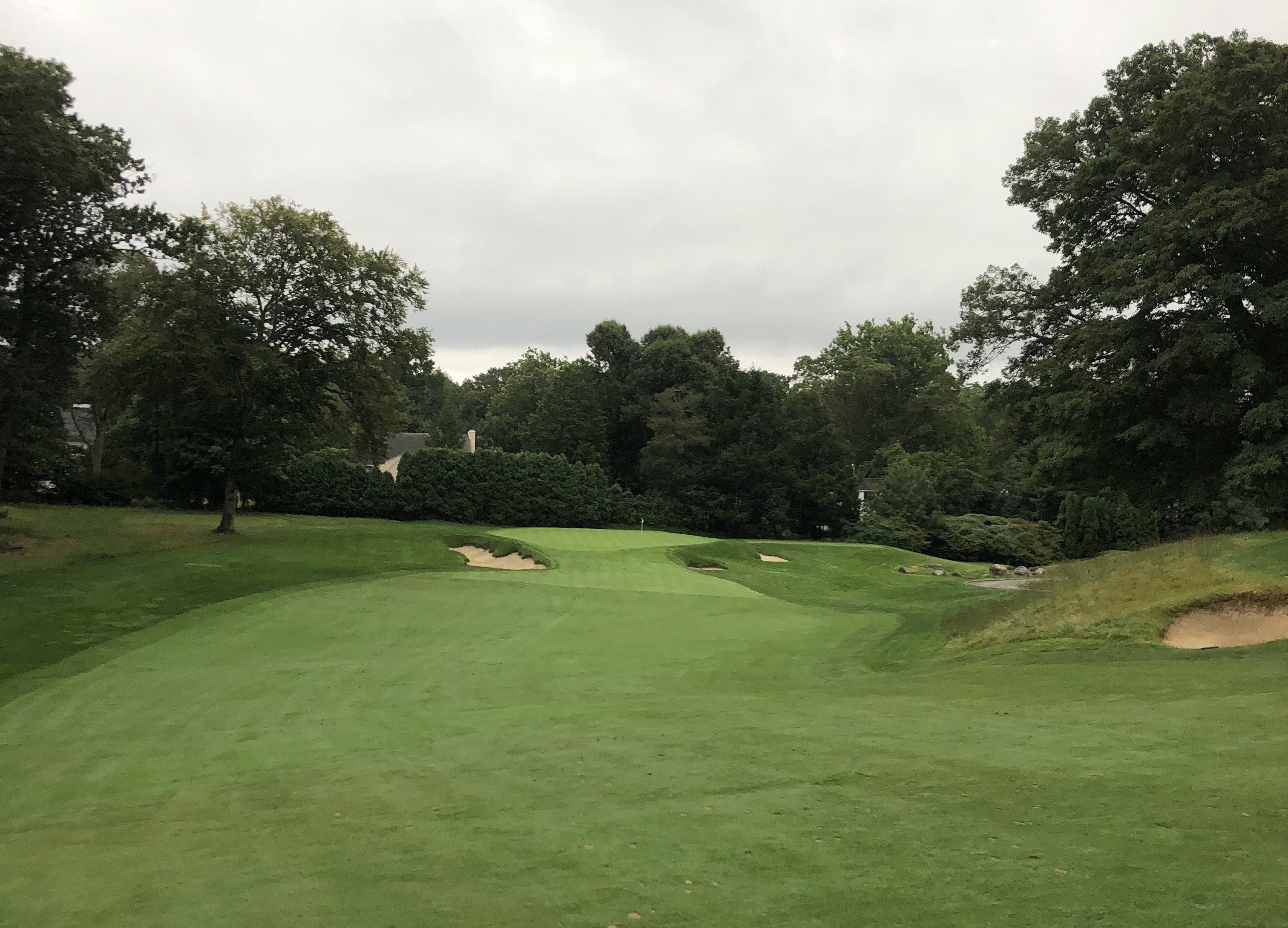
Originally a monster par 5 playing uphill towards the clubhouse that Harry Vardon famously called “cardiac hill”, Wykagyl’s current closer is a shortened but still very challenging 422 yard par 4. This hole begins with a level teeshot through a chute and over a creek at 215 yards to a pancake flat fairway lined by thick forest down the left and a small pond down the right beginning at 260 yards. The green sits well-above the end of the fairway and requires an all-carry approach. It is a small green for a hole of this length and slopes back-to-front with four bunkers surrounding it. While the hole is certainly difficult, it does feel somewhat out of place on the course.

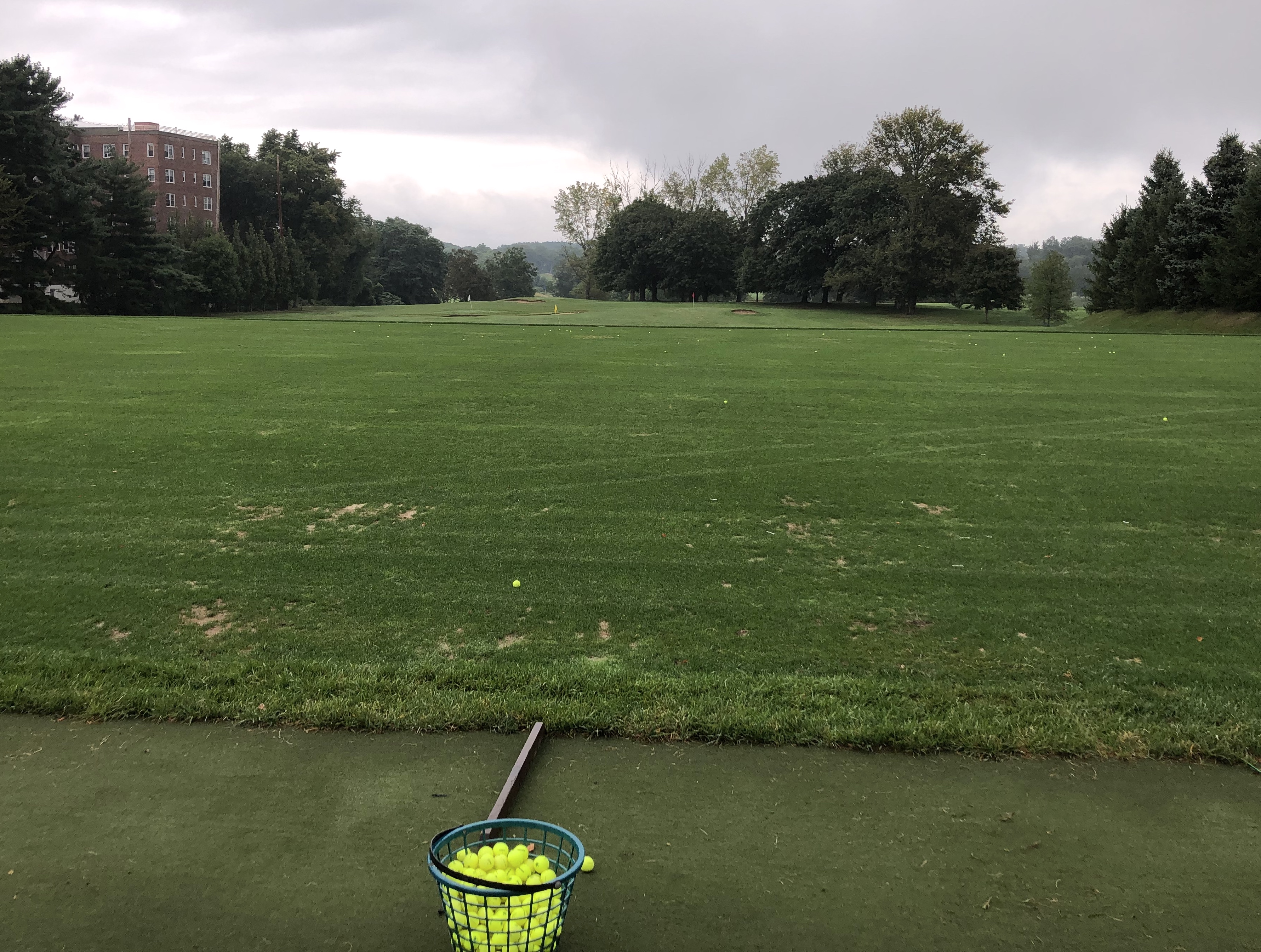
General Comments: Wykagyl is a true country club, with numerous upscale amenities including an Olympic-sized pool, fitness center, tennis, paddle tennis, and bowling alley (!) in its gorgeous clubhouse. Practice facilities include a practice green near the clubhouse and somewhat small range in the far corner of the property. The course is a hilly but nice walk with a caddie.
Verdict: A Ross/Tillinghast design characterized by small greens, wonderful rocky terrain, and old-school charm, Wykagyl is one of the best and most underrated courses in New York and a course absolutely worth seeing.
 Worldgolfer's Golf Course Reviews
One thought on “Review: Wykagyl Country Club”