Designer: Charles Banks (1929), Stephen Kay (2021, Renovation)
Location: Belleville, New Jersey
History: Seth Raynor was originally supposed to design Hendricks Field but died before it could be built. His associate Charles Banks took over the project and designed the course which opened in 1929. In 2021, Stephen Kay renovated Hendricks Field, building a three-hole First Tee practice area, several new holes, and new teeboxes and drainage systems. The course is operated by Essex County.
Conditions: 6/10, While the course is a bit rough around the edges, the majority of bunkers, greens, and teeboxes are more than adequate.
Value: 8/10, Hendricks Field provides great value for the area at $55 for non-residents on weekends with further discounts for twilight, seniors, juniors, and cardholders.
Scorecard:
Tee Par Yardage Rating Slope
Blue 70 6150 69.2 123
White 70 5815 67.5 120
White/Gold 70 5430 65.8 118
Gold 70 5173 63.7 115
Red 70 4549 65.8 115
Hole Descriptions: New York City’s public golfing scene is much-maligned, perhaps for good reason, but there are plenty of decent public options just a short ride away for those with a car. Essex County New Jersey in particular is home to a strong set of municipal courses in Francis Byrne, Weequahic, and Rock Spring, all of which feature classic designs with some compelling architecture at good prices. I never played Hendricks Field before a recent renovation, but it seems like the course is markedly improved from everything I’ve heard. Today’s course is extremely playable for the masses at just under 6200 yards and features numerous subtle templates that are uncommon on public courses. Hendricks Field is on my shortlist of public courses I’d recommend to those visiting New York looking for a fun, affordable round.
No one would mistake Hendricks Field for an overly difficult course, but the opening nine is a varied and interesting one with three each of par threes, fours, and fives. The par fives are all under 500 yards and are exceptionally easy while the other six holes are on the more challenging side. The opening hole is one of the easier holes as a 475 yard uphill dogleg left par 5. This is a gentle beginner, featuring an uphill teeshot to a fairway that turns hard left around 190 yards. Trees line both sides of a generous fairway and a crossbunker at 245 yards down the left is really the only danger. Although this approach continues uphill, those who carry this bunker will have a chance to reach this circular green that slopes back-to-front with a pesky front mound.


At 424 yards, the 2nd hole is a longer par 4 playing downhill and straightaway the entire way lined by trees. This teeshot is semi-blind, but any straight shot is fine and may run further out than you’d expect. This approach plays a club less to a diagonal, back-to-front sloped green defended by a deep bunker right.
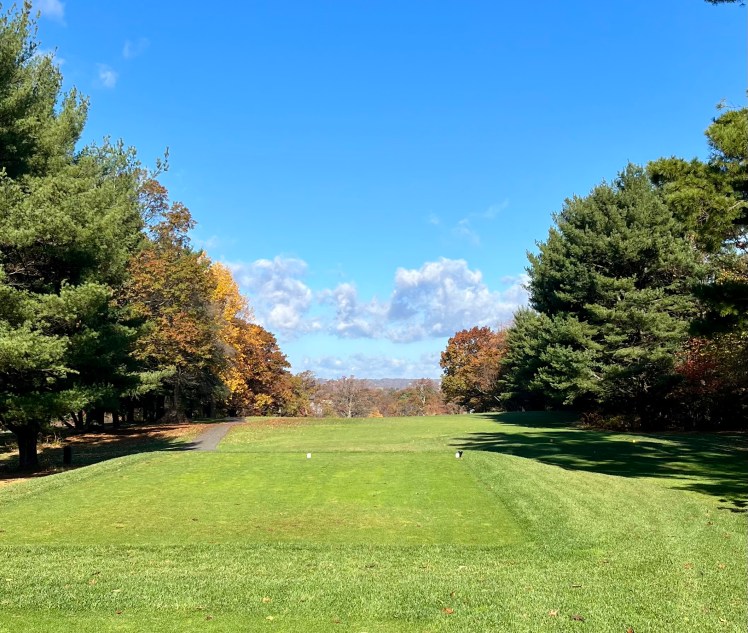
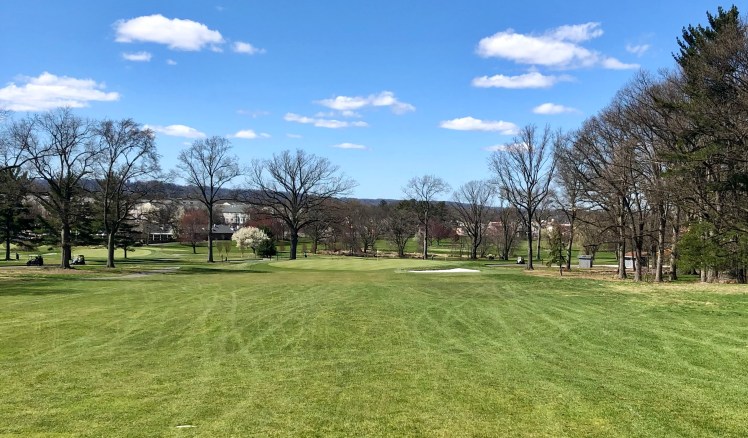
The 3rd hole is a remnant of a short par 4 and is a solid par 3 at 185 yards. This green runs both right-to-left and back-to-front and is surrounded by steep slopes long and right and a bunker left.
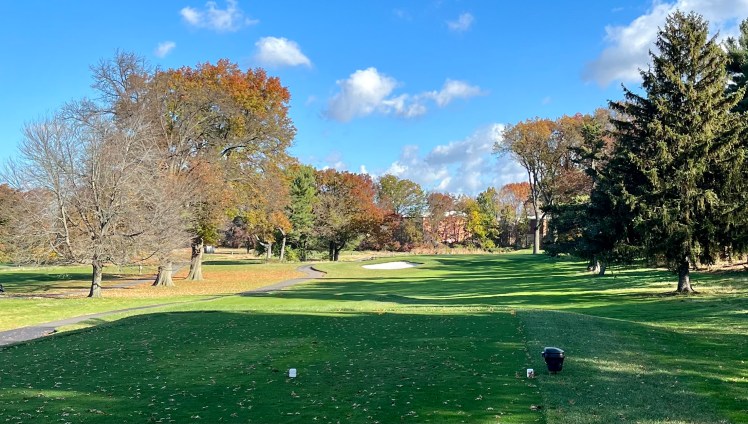
The 4th hole is another short par 5 at 495 yards playing straightaway. Although lined by trees on both sides, golfers can swing with confidence here with little other danger on this teeshot. This lay-up requires some thought, as a crossbunker runs through this fairway about 100 yards short and forces the golfer to make a decision. A redan-like green that slopes back right-to-front left is defended by a bunker short right and is one of the best greens at Hendricks Field.
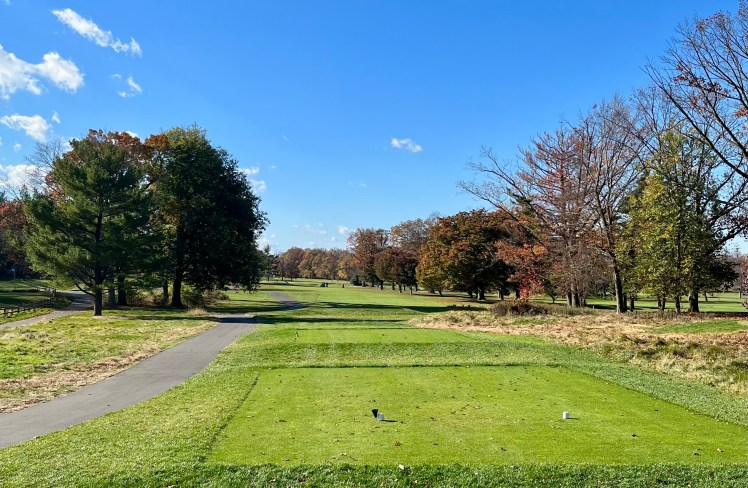
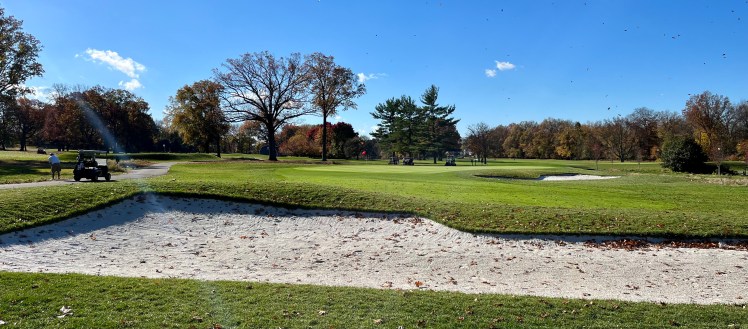
The 5th hole is yet another scoreable par 5 running parallel to the preceding hole at 478 yards. This hole again plays straightaway lined by trees and is most notable for a drainage ditch that runs across this fairway at about 300 yards. While in play for the longest hitters, this hazard is mostly in play on the second shot for higher handicaps. This green is slightly elevated and features a prominent middle hump.
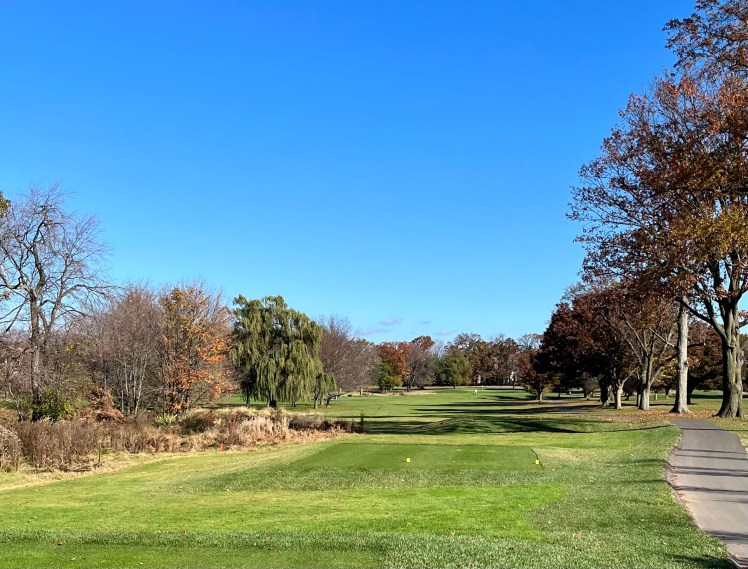

Another converted short par 4, the 6th hole is an easier par 3 at 162 yards. This green is fairly flat and defended by a bunker right.

At 420 yards, the 7th hole is just the second par 4 on the course and another very challenging one as the number 1 handicap. This is a strong hole playing somewhat downhill on the teeshot to a fairway that bends right. The burn from the 5th runs diagonally across this fairway and again is only really in play for the longer hitters. This approach is a fairly challenging one to a severely back-to-front sloped green defended by tight lies on either side.
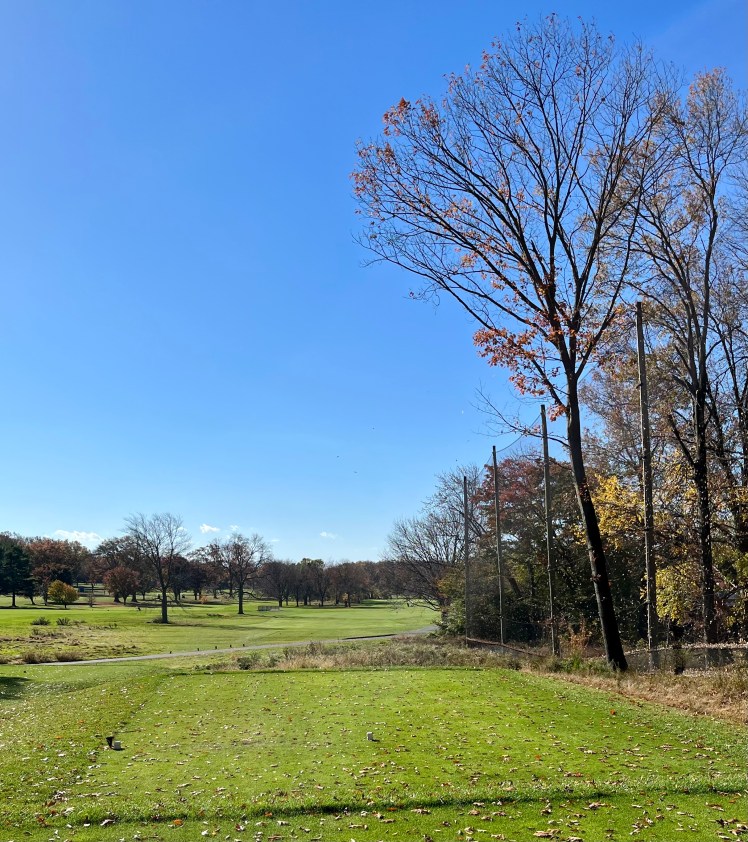
The 8th hole is a highlight of Hendricks Field as a wonderful Redan par 3 at 190 yards. This elevated green is fairly severe, sloping right-to-left and defended by a pesky bunker short. This is undoubtedly the most difficult par 3 on the course.

The 9th hole is another nice par 4 playing straightaway at 374 yards. OB lines the right side the entire way while this fairway is split in two by the burn around 190 yards. While this should be easily carried by most decent players, it certainly is in play and is a good hazard. This hole is most notable for its double plateau green defended by a bunker right. While not as severe as some other double plateaus, this green’s size alone will create many interesting and difficult putts.
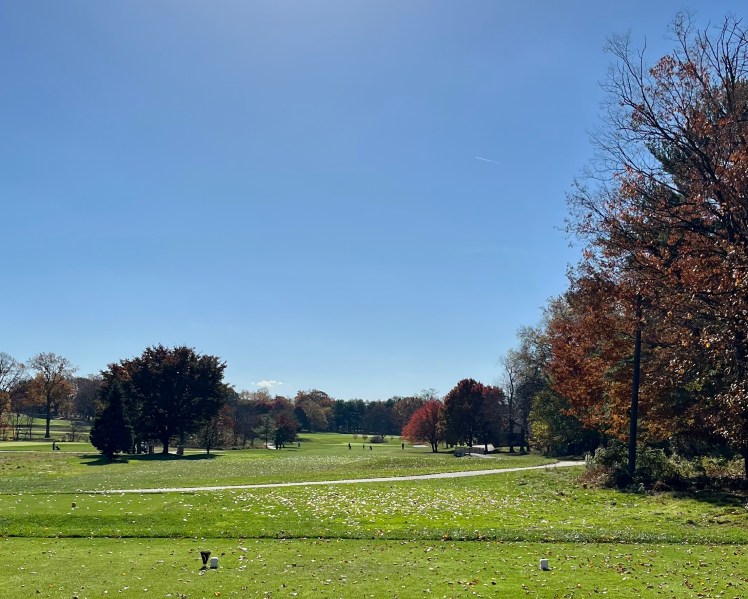

Nicknamed “Creek” after the 1st hole at C.B. Macdonald’s Creek Club, the 10th hole is a 364 yard slight dogleg right par 4. I find this hole interesting because The Creek, although one of my favorite courses, is well-known for having a rather mundane start before a world-class flurry of holes beginning at 6. Regardless, this hole slowly bends right with a generous fairway and right cross-bunker around 250 yards. This green runs steadily back-to-front and is lined by a right bunker.
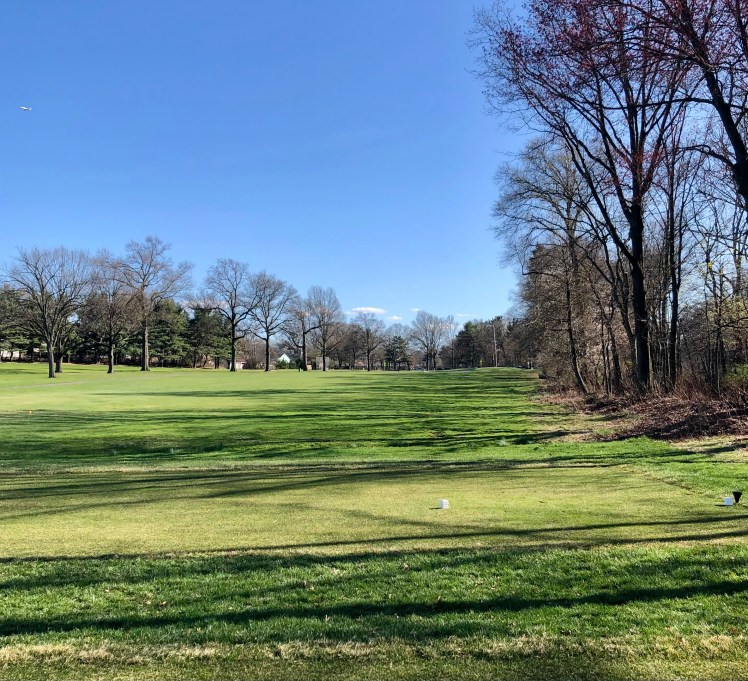

You must cross busy Belleville Avenue to access holes 11-17 beginning with the lengthy 575 yard par 5 11th. A legitimate three-shot hole, this is a lengthened former par 4 with a new green from Stephen Kay. This fairway is initially tree-lined and straight, lined by a bunker down the right around 230 yards. Soon after this bunker, the fairway turns left towards a solid green complex with a front left swale and defended by a small bunker left. Old railroad tracks run just right of the green and make this hole play somewhat like the “Road” hole it’s named for.


At 154 yards, the 12th is the shortest at Hendricks Field and a brand new hole from Stephen Kay. This is likely the most memorable hole on the course featuring a wonderful Biarritz green with a center swale.
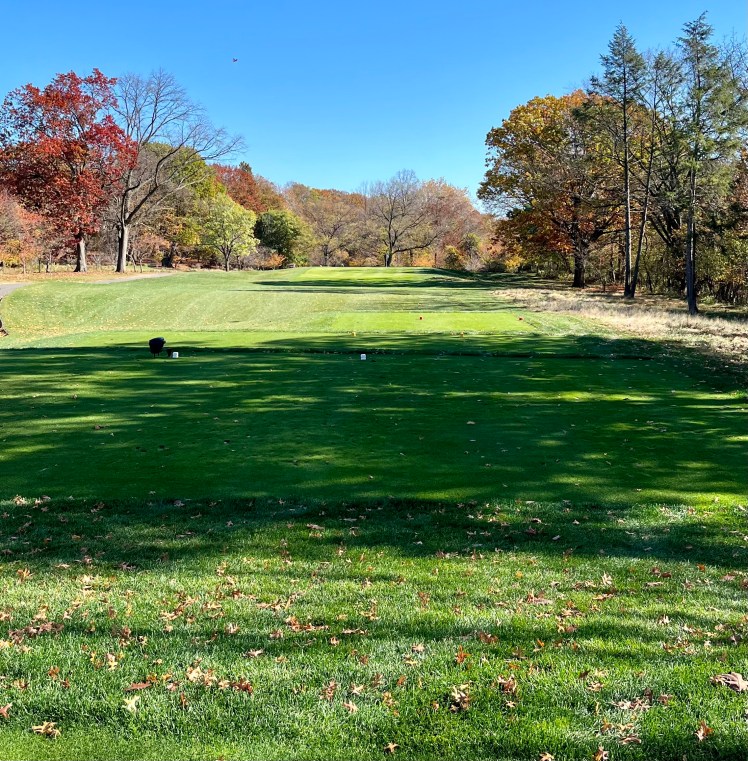

The 13th hole is a shortened version of the old opening hole featuring another new green complex from Kay. At 344 yards, this short dogleg left par 4 plays steadily uphill the entire way with a well-placed left crossbunker at about 215 yards. This green is my favorite on the course with a square shape and giant front left plateau that kicks balls off it.
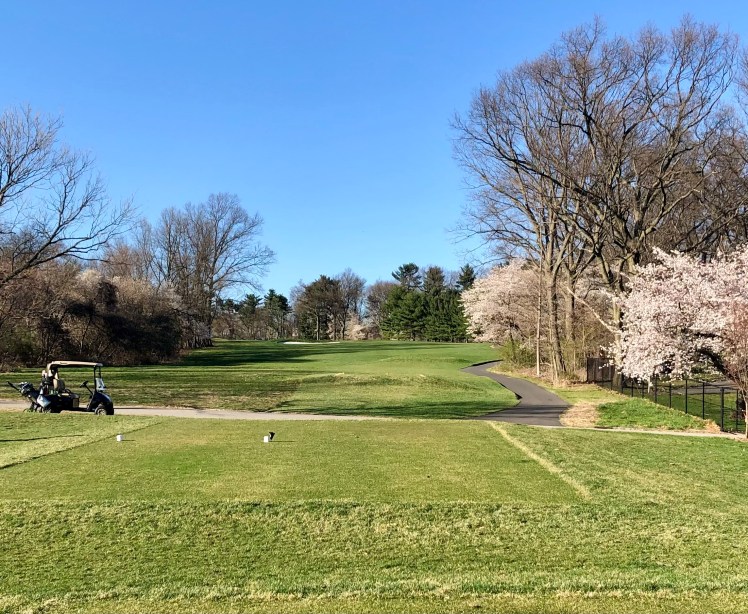
Today’s 14th hole is another new one as a lengthy 210 yard par 3 playing to the original 1st green. A bunker guards left of a large back-to-front sloped green.
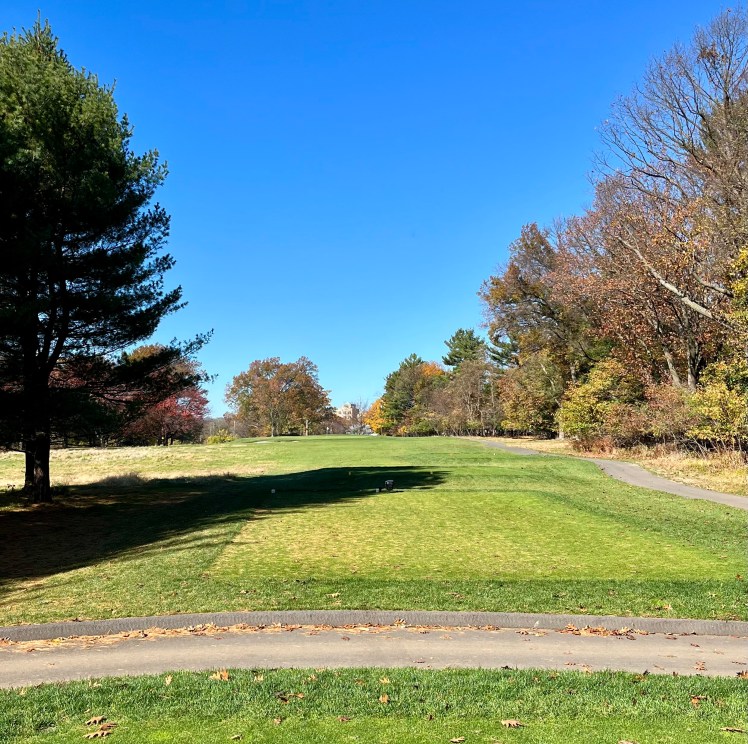
The remainder of the course is fairly well-preserved and features some excellent holes beginning with the 372 yard par 4 15th. Playing downhill the entire way, this straightaway hole is tree-lined on both sides and features a new Principal’s Nose bunker in the middle of the fairway at about 275 yards. Those who miss this hazard will have a straightforward approach to a back-to-front sloped green containing a vertical midline ridge and lined by a bunker left.
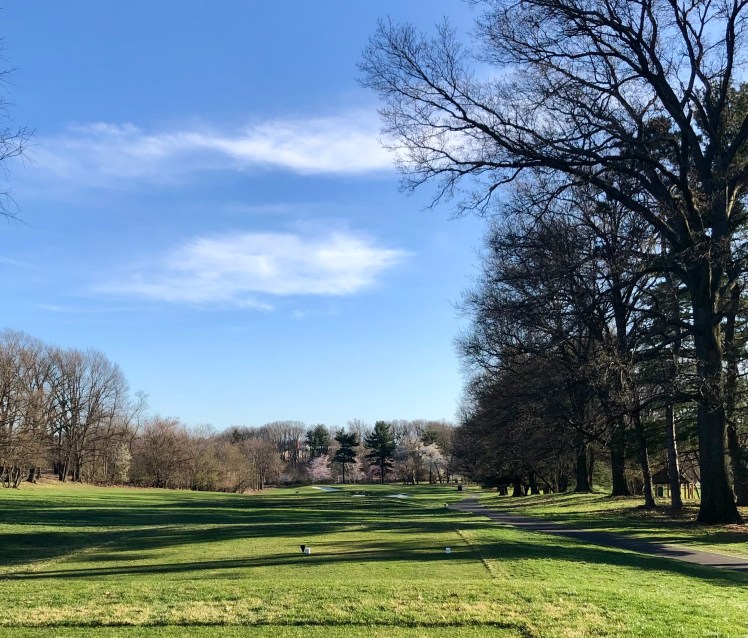
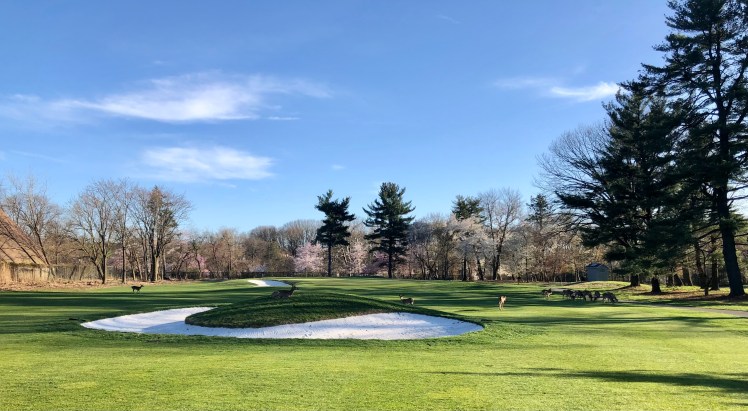
At 335 yards, the 16th hole is the shortest par 4 at Hendricks Field and one of my favorites playing uphill and straightaway. Trees line both sides of this generous fairway and golfers will want to lay-up short of a crossbunker at about 230 yards running across this fairway. This approach continues uphill to a wonderful, Redan-like green defended by a deep bunker left. It is said this hole was modeled after the 2nd hole at Yale and I see the similarities near the green.
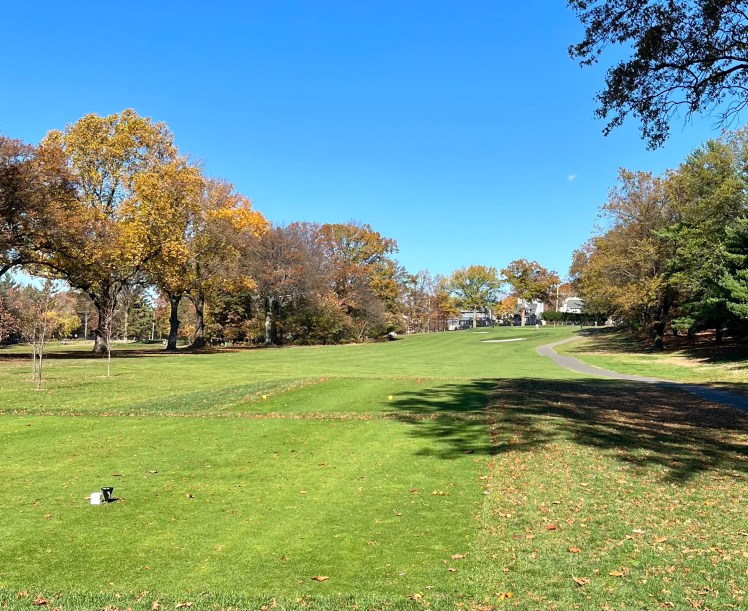
The 17th is the final hole on this side of Belleville Avenue as an 162 yard downhill par 3. This is another nice hole featuring a back-to-front sloped green defended by a bunker right.

After crossing the road again, you reach a difficult closer in the 431 yard par 4 18th. A slight dogleg left, this hole features a generous fairway lined by a bunker down the right around 230 yards where the dogleg begins. This approach usually requires a long iron or wood to a giant diagonal green guarded by a bunker short left. Par is a strong score on this solid closing hole.

General Comments: Facilities at Hendricks Field include a small pro-shop, mats to hit off of into a net, and a large putting green near the 1st teebox. As with all county courses, pace of play varies but can be on the slower side.
Verdict: Reinvigorated by Stephen Kay’s 2021 renovation, Hendricks Field is an excellent municipal course located just outside New York City featuring a walkable, playable course with numerous template holes. It is on my short list of affordable publics I’d recommend in the greater New York City area.
 Worldgolfer's Golf Course Reviews
2 thoughts on “Review: Hendricks Field Golf Course”