Designer: Willie Campbell (1898), Donald Ross (1914, Redesign), Ron Forse (2008, Restoration), Andrew Green (2022, Renovation)
Location: Rumford, Rhode Island
History: Originally founded in 1898, Wannamoisett began as a 9-hole Willie Campbell design and received immediate acclaim. In 1914, Wannamoisett commissioned Donald Ross to redesign the course and the result was even better, with Ross remarking, “This is the best layout I have ever made. A fine course on 100 acres. No congestion, fine variety, and excellent golf.” In 1931, Wannamoisett hosted its only major, The PGA Championship won by Tom Creavy. In 1962, the first Northeast Amateur was played at Wannamoisett. One of the four “majors” of amateur golf, this annual tournament has been played here ever since and has an impressive list of winners like Dustin Johnson, Luke Donald, Collin Morikawa, David Duval, and Ben Crenshaw. Tiger Woods also played in the event twice before turning pro. The course record of 61 has been fired three times during the Northeast Amateur by Karl Vilips, Luke Guthrie, and Preston Stout. In 2016, the Junior PGA Championship was played at Wannamoisett. The Club has earned several accolades, including:
- #146 Best Course in America – Golf Digest (2025)
- #62 Best Classic Course in America – Golfweek (2025)
- #2 Best Course in Rhode Island – Golf Digest (2025)
- #2 Best Course in Rhode Island – Golf Magazine (2024)
- #2 Best Course in Rhode Island – Top100golfcourses.com (2024)
- #2 Best Private Course in Rhode Island – Golfweek (2025)
Conditions: 10/10, There isn’t a blade of grass out of place at Wannamoisett and that’s a testament to the amazing job Mark Daniels does as greenskeeper. The teeboxes at Wannamoisett are better than greens at most courses, and the fairways are meticulously maintained. The bluegrass rough is notoriously thick and sometimes necessitates a lay-up for even the best players. The most impressive feature about Wannamoisett are its greens, which Ben Crenshaw called his favorite in the world. These poa annua greens are perfectly smooth, and infamously fast, routinely running at a 13-14 on the Stimpmeter.
Value: N/A, This is a private course.
Scorecard:
Tee Par Yardage Rating Slope
Black 69 6811 73.5 130
Blue 69 6476 71.9 127
White 69 6132 70.2 126
Green 69 5639 67.6 121
Yellow 73 5147 70.3 124
Hole Descriptions: Any architect can build a great course on a property like Fishers Island or Pebble Beach, but it takes a special architect to build a great course on a property like Wannamoisett’s. On a square and relatively flat 97 acres in the center of the city, Ross’ design here is nothing less than an architectural masterpiece and worthy of study by modern architects. With teeboxes and greens in close proximity and an intimate feel, this par 69 doesn’t feel cramped and is an excellent walk. While short for the longest hitters, there are many long par fours on the course to challenge amateurs and par is defended by thick U.S. Open style rough and a wonderful set of greens that continue to befuddle the world’s best amateurs. Like many parkland courses of its era, Wannamoisett has undergone significant tree removal over the last few decades and a major renovation by Andrew Green focusing on enlarging the greens to allow for more pin placements and rearranging bunkers to improve playability. These enhancements have made the course even better and in my opinion, this is the best pure golf course in Rhode Island and the very definition of an ideal members’ course.
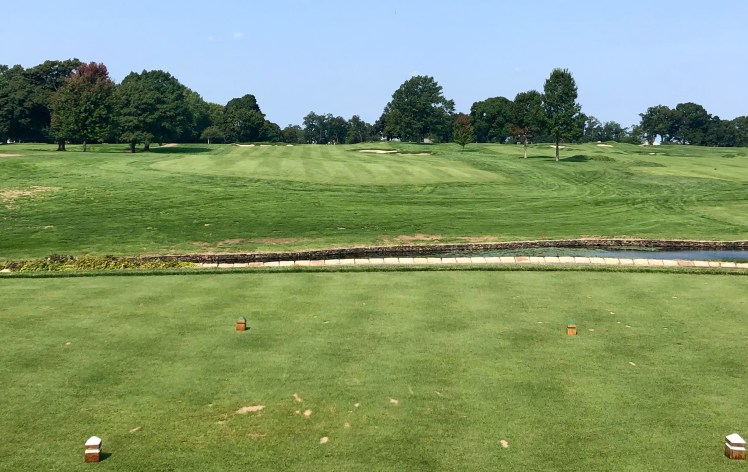
The first four holes at Wannamoisett are often described as the hardest opening stretch in Rhode Island and many of the state’s best players play out of here. Getting through this stretch at +1 or +2 means you are likely in for a very good round. The opening hole is an intimidating 424 yard par 4 that runs slightly uphill and features an immediate forced carry over a pond. The patio sits directly behind this teebox, and you will undoubtedly have many eyes on you on your first swing of the day. The fairway is generous here, but two crossbunkers run down the right between 220 and 250 yards with another down the left for longer hitters at 290 yards. The approach continues uphill and is often somewhat blind, but this green is open up front and quite receptive to longer approaches. The putting surface itself contains two tiers and mostly slopes right-to-left with bunkers flanking it on either side. This is the epitome of a “hard par, easy bogey” hole, a common theme at Wannamoisett.

At 455 yards (and over 500 yards from the Black tees), the beastly number 1 handicap par 4 2nd is usually a three-shot hole for most members. This epic hole begins with a brief forced carry over rough to a generous tree-lined fairway. A plateau in the fairway at about 235 yards serves as a decision-maker and drives that fall short of this ridge will have virtually no shot at reaching the green in two. After the trees end on the right at about 270 yards, the right fairway is defended by four long bunkers. At the same time on the left side, OB in the form of the parking lot looms all the way to the green. The second half of this hole plays downhill with a narrower fairway ending abruptly about 100 yards short of the green. Those going for the green in two will have to be wary of a small creek about 50 yards short that collects more balls than you’d expect. If the length and hazards on this hole weren’t enough, this green is one of the most challenging on the course, playing very large with a severe back-to-front tilt and vertical ridge running through its left side. Like the 1st, it is open up front and quite receptive, but bunkers defend it on the right and long. A par here truly feels like a birdie.
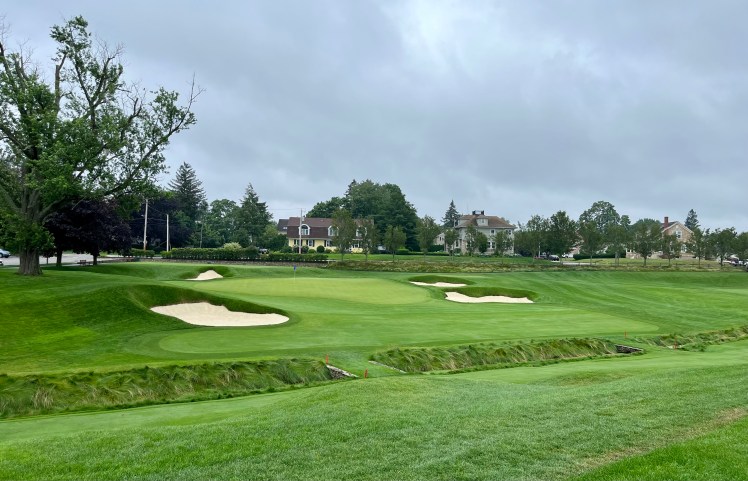


At 127 yards, the par 3 3rd is the shortest hole on the course and the only reprieve on the opening stretch. Despite its short length, don’t mistake this hole for being easy, as this green plays as somewhat of an island with a bunkers wrapping around it left and short, a steep slope and creek right, and gnarly fescue long. The green itself slopes both back-to-front and left-to-right with particularly difficult back pin positions. A perfect example of an all-or-nothing short par 3, this is Wannamoisett’s signature hole and the emblem of the Donald Ross Society.

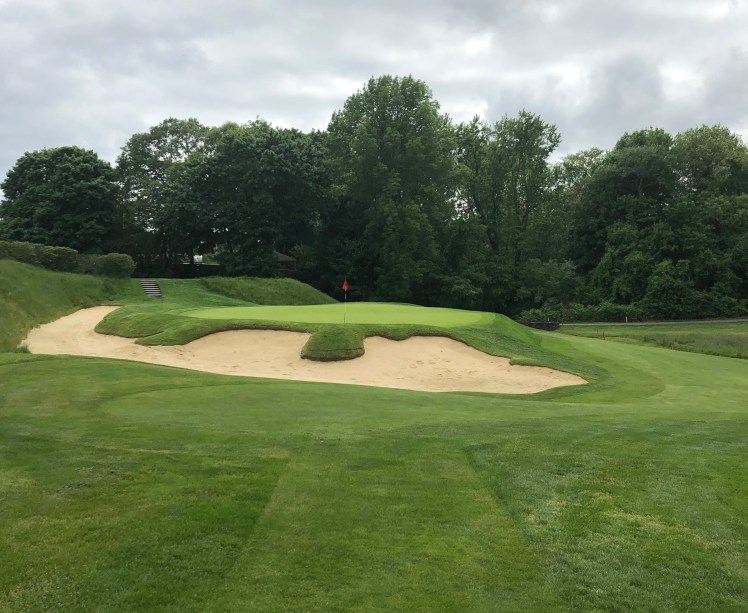
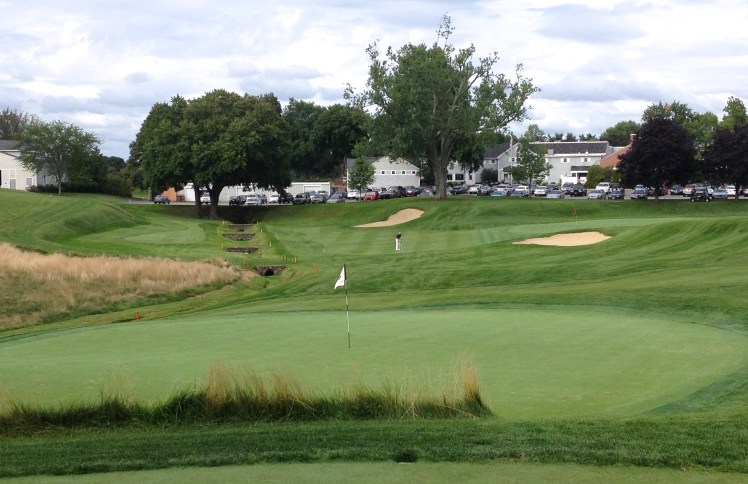
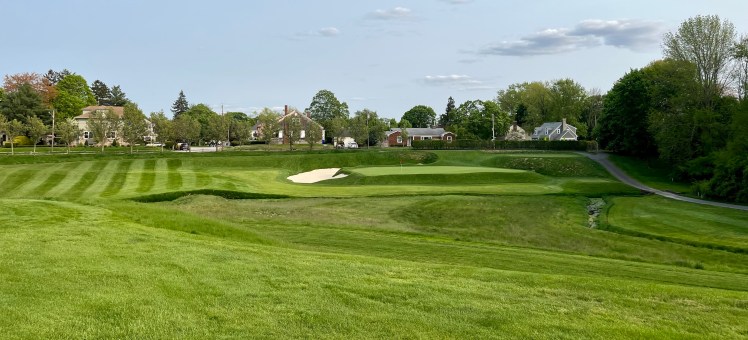
The 4th hole used to be the number 1 handicap before rearranging the handicaps but remains a very challenging hole as a 434 yard dogleg left par 4. From an elevated teebox behind the 3rd green, this is probably the most demanding teeshot on the course and requires an 125 yard carry over a valley of rough and fescue to a fairway that turns left. OB runs down the left the entire way, while tall trees and bunkers line the right. For those looking to cut some distance off this hole, the ideal teeshot is over a long left bunker at around 230 yards. Once in the fairway, this approach runs slightly uphill to a large, two-tiered, back-to-front sloped green lined by bunkers on either side.

After such a difficult start, seeing the 356 yard par 4 5th on the scorecard is a welcome sight to the shorter hitter. Beware, however, as the shorter stretch from 5-7 contains three of the most difficult greens in the state. The 5th hole is a short dogleg right featuring a semi-blind teeshot to a fairway that turns sharply at about 230 yards. Invisible from the teebox, a string of three church-pew like bunkers runs down the right beginning at the dogleg. Those who bailout left or long will likely find thick rough or chocolate drop mounds that yield difficult lies. This approach is likely the most difficult on the course, playing uphill to an elevated green that slopes hard back-to-front with a vicious false front and bunkers on either side. It is not the most receptive green and really penalizes those who miss the fairway. This is one of my favorite holes on the course but one where I don’t love what Andrew Green did. He both softened the green but also removed a pair of mounds on the inside corner of the dogleg that gave this teeshot some definition and quirk.
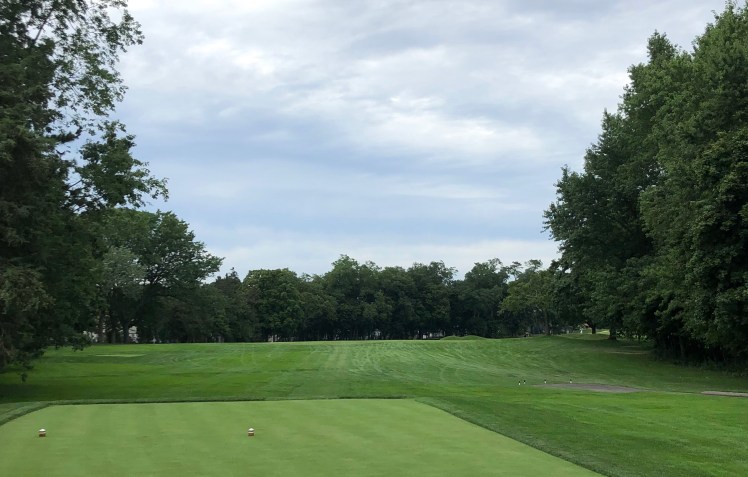

At 433 yards, the 6th hole is a longer par 4 that runs along the edge of the property. A slight dogleg left, this teeshot plays from an elevated teebox to an initially generous fairway lined by trees and OB left. At about 250 yards, the fairway narrows considerably with a large left crossbunker and several bunkers pinching in down the right. While the teeshot has gotten much more difficult with Green’s renovation, the toughest part of this hole remains the green, which contains numerous plateaus and leads to some treacherous putts.
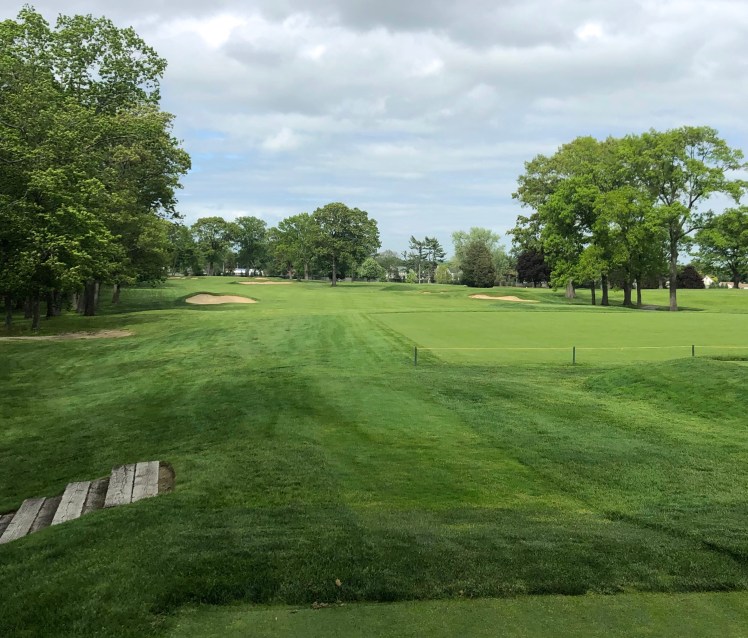

The 7th hole is the shortest par 4 on the course at 340 yards and plays straightaway, sandwiched between the 6th and 16th holes. With very little land to work with, Ross built a fascinating hole here that places a premium on accuracy and precision. The golfer is given options on this teeshot, but will want to reach a plateau in the fairway at about 200 yards to have a reasonable approach. There’s a string of small bunkers down the left between 160 and 200 yards, and a large, very deep bunker on the right that requires 220 yards to carry. At about 250 yards, this fairway forms somewhat of a central ridge with collection areas on either side, especially to the right which sits well-below the green. Like the 5th, this approach usually requires a wedge into an elevated green with a severe false front and significant back-to-front slope. Bunkers defend the green short on either side and long right, and a new portion of back left green provides one of the most difficult pins on the course. For such a short par 4, this little demon can wreck some havoc, and one of the Northeast Amateur players (who eventually played on Tour) I caddied for made 9 here from 120 yards out.

The 8th hole is a beautiful downhill par 3 that plays at 182 yards. While this green is large, it is very well defended with numerous bunkers short, one left, and another to the right. There’s also a grass bunker long left that gets plenty of action. This green is fairly tricky, with an overall left-to-right tilt and a higher left plateau. This hole was replicated at the Donald Ross imitation course at Boyne Highlands Resort in Michigan.

The extremely challenging front side closes with another long par 4 in the 435 yard 9th. This is an excellent hole featuring a generous fairway lined by a right crossbunker at 175 yards and several down the left at 220 and 270 yards. The fairway ends about 100 yards short of the green and your approach must carry a pond shared with the 1st. This hazard shouldn’t be in play for longer hitters, but the shorter hitter usually has to make a choice on their second shot about whether to go for it or lay-up. This elevated green sits on the other side of the pond and is quite large, sloping significantly back-to-front with several bunkers down the left and an infamous false front potentially sucking balls into the water.


While still a challenge, the back 9 is where the scoring opportunities are and begins with another superb hole in the 402 yard par 4 10th. This is a fascinating hole that plays downhill on the teeshot to a generous fairway that bends slightly to the left. Two bunkers line the right between 230 and 250 yards, while numerous bunkers and thick mounds of rough run down the left for much of the fairwway. For longer hitters, the most dangerous bunker might be a crossbunker in the center of the fairway at 285 yards. I really enjoy this approach, which is invariably blind over a plateau to a large green surrounded by rough. This green is quite difficult to read, with a front portion that seems to slope front-to-back but then a back portion that slopes back-to-front. Getting the speed correct here is no small feat.
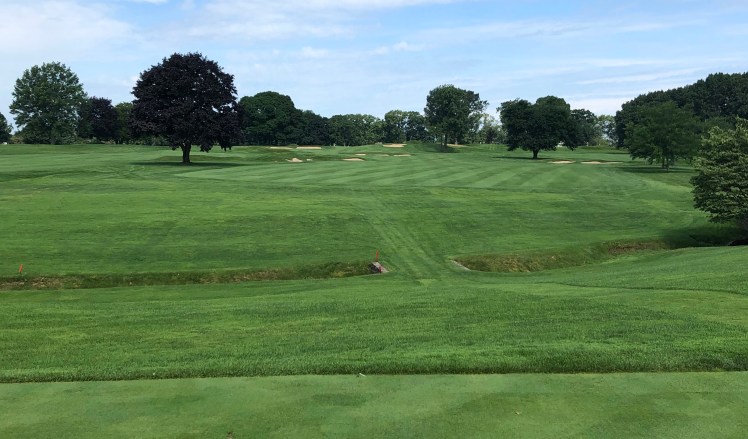
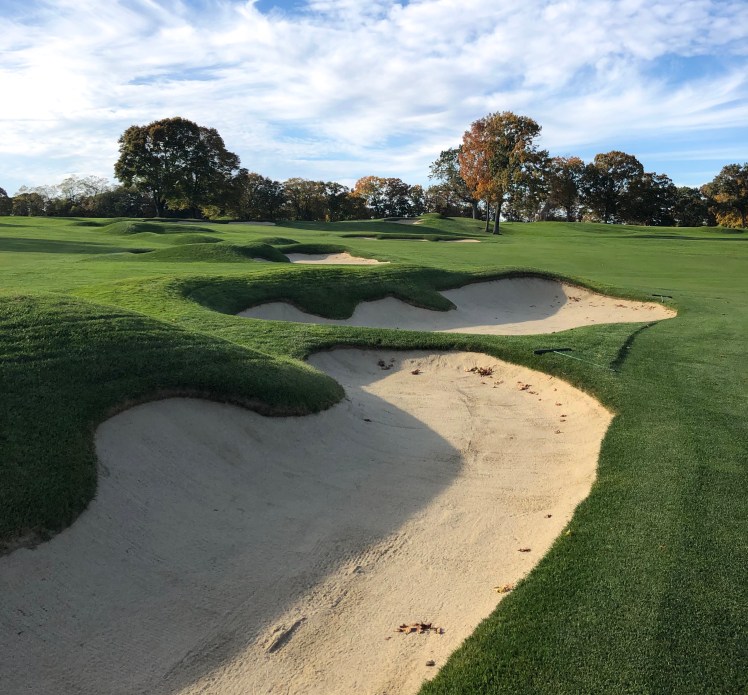


The 11th hole runs parallel to the 10th in the opposite direction as a medium-length 391 yard par 4. This is a relatively straightforward hole with an elevated teebox and a generous fairway lined by mounds of rough left and a pair of right crossbunkers beginning around 240 yards. This green is perhaps the largest on the course and slopes back-to-front with several tiers. It is one of the rare greens on the course that requires an aerial approach, as a deep crossbunker runs across just short of it.
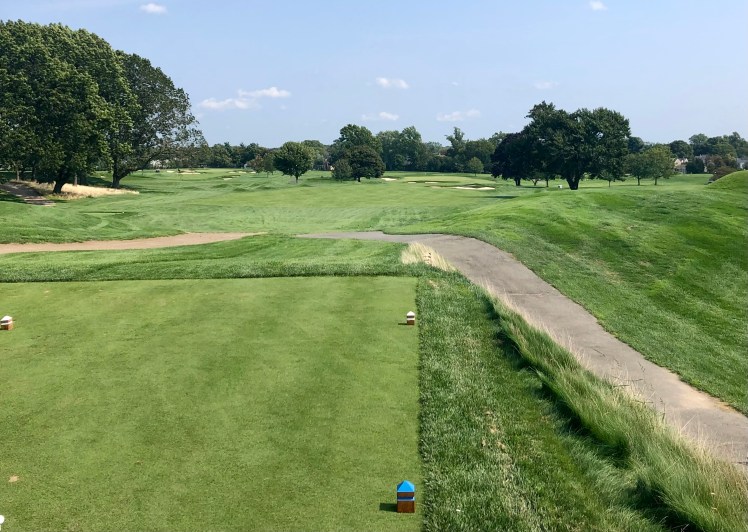
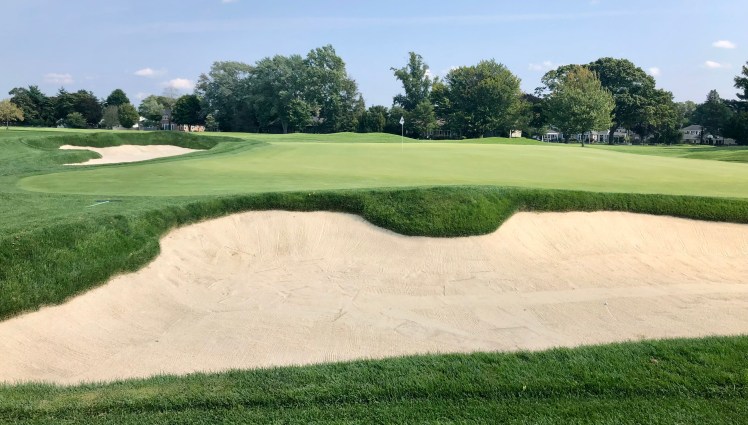
At 204 yards, the 12th hole is the longest par 3 at Wannamoisett and a very unique hole. This one-shotter runs at least half a club uphill to an elevated punchbowl-like green defended by bunkers left and short right. The short right bunker is extremely deep and about 50 yards long, lending to its nickname “Sahara”. Andrew Green softened this green and added an extremely tricky right portion jutting out over the bunker. While these changes allow for more pin placements, they make the hole more difficult and less fun and I prefer the old green here.
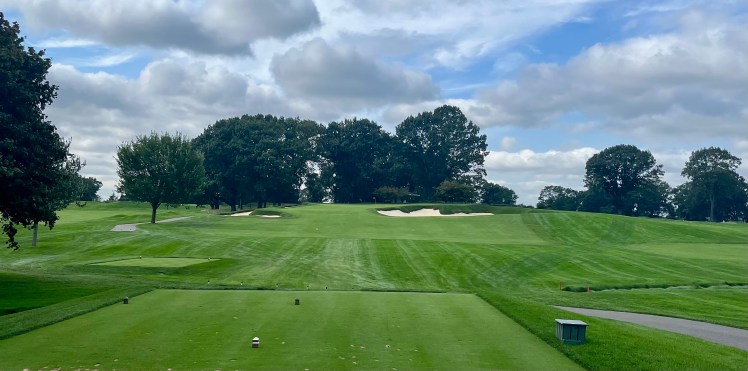

At only 370 yards, the downhill par 4 13th is probably the easiest hole on the course and one of the best birdie opportunities. From an elevated teebox, this hole features a generous fairway lined by two right crossbunkers around 230 yards. There have probably been more trees removed on this hole than any other, and now only thick rough lines the fairway. There are multiple bunkers short and on either side of this large green that contains two-tiers and slopes back-to-front. Perhaps because it is completely exposed, I always find this to be the fastest green on the course.
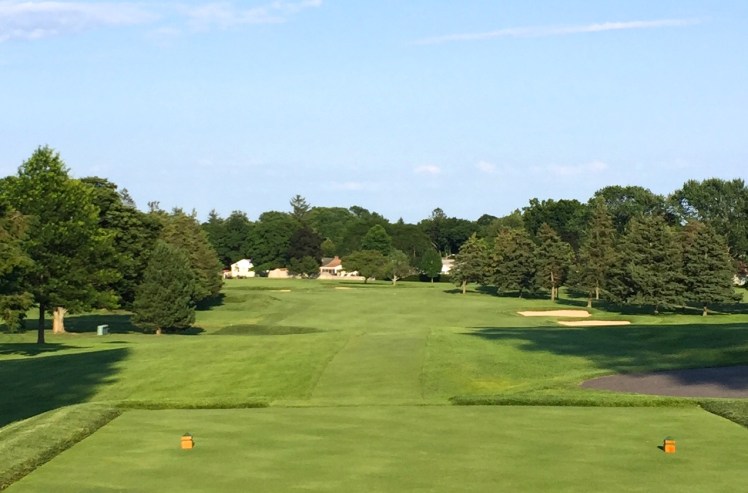
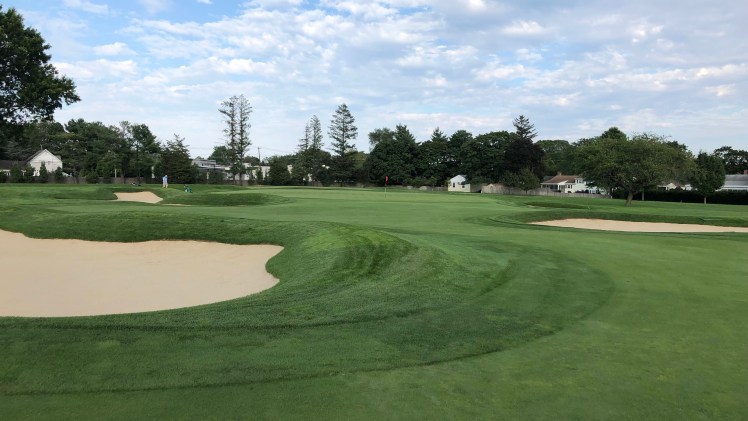
The 14th hole is Donald Ross’ rendition of a Cape hole and is the only real reachable par 4 on the course as a 349 yard dogleg right. This is a memorable hole with a fairway that bends to the right at around 225 yards with a giant pond down the right the whole way. Aggressive plays can cut off significant distance or even go for the green over this hazard, but the conservative play is a long iron or 3-wood down the left. This green is open up front and beautifully situated where the best angle is reserved for those who take aggressive lines and play over the water. It is surrounded by a narrow moat of bunkers long, left, and right and overall slopes left-to-right with a horizontal ridge running through it. Another interesting feature of this hole is an island in the middle of the pond that’s been known to collect balls and sometimes requires the golfer to turn into a swimmer during tournament play.

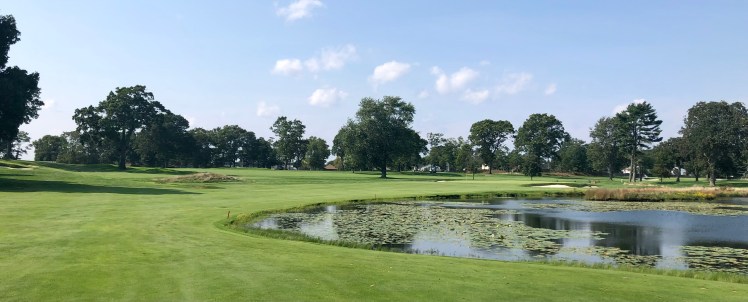
Despite being the 18th handicap hole, I find the 188 yard 15th to be one of the most difficult pars on the course. This par 3 plays uphill to an elevated green well-defended by bunkers on either side. It has some Redan-like features with significant right-to-left and back-to-front slopes.


At 434 yards, par 4 16th is the longest par 4 on the back 9 and another excellent hole. From an elevated teebox up in the trees, this teeshot plays downhill to a fairway that bends slightly to the left and is framed by tall trees down either side. Most golfers will have a long iron or hybrid into this large green which slopes hard back left-to-front right and is defended by bunkers short and right.

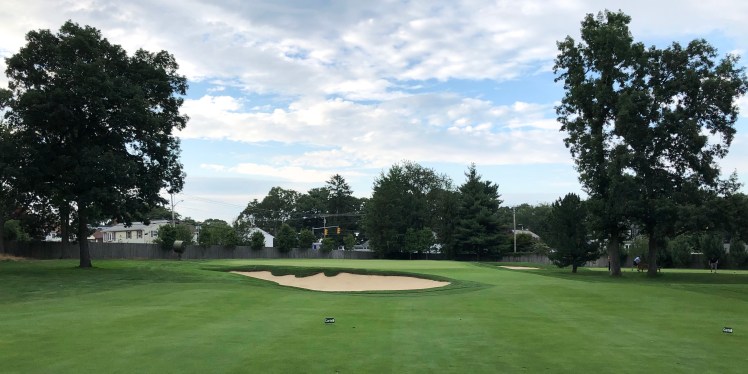
You have to wait until the penultimate hole to reach the lone par 5 at Wannamoisett, the 533 yard 17th. This long, straightaway three-shotter runs along Pawtucket Avenue and anything hit left on this hole will likely be lost OB. The fairway is very generous, but thick rough lines the right and the 14th pond can also catch those who miss far right. Those looking to lay-up will need to avoid a well-placed left crossbunker about 120 yards short of the green but should know the preferred angle into this green is from the left side of the fairway. There’s a tiny opening on the front of the green, but it is well-bunkered with bunkers on either side and short. This putting surface is very large and another tricky one, with plateaus on the right and back left and some difficult pins.
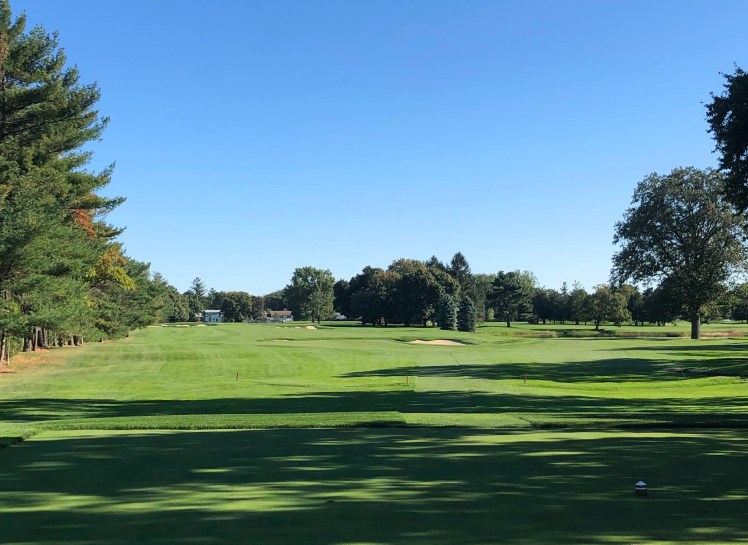
At 419 yards, the closing hole at Wannamoisett is a challenging dogleg left par 4 featuring a difficult teeshot to a fairway that turns sharply to the left around 220 yards. Two bunkers line the right side of the dogleg, while the left bunkers have been pushed back to 240 yards to improve playability for higher handicaps. This approach plays over several bunkers to a large green defended by a deep bunker short right. The green is on the flatter side but features a particularly difficult pin on a back center plateau.
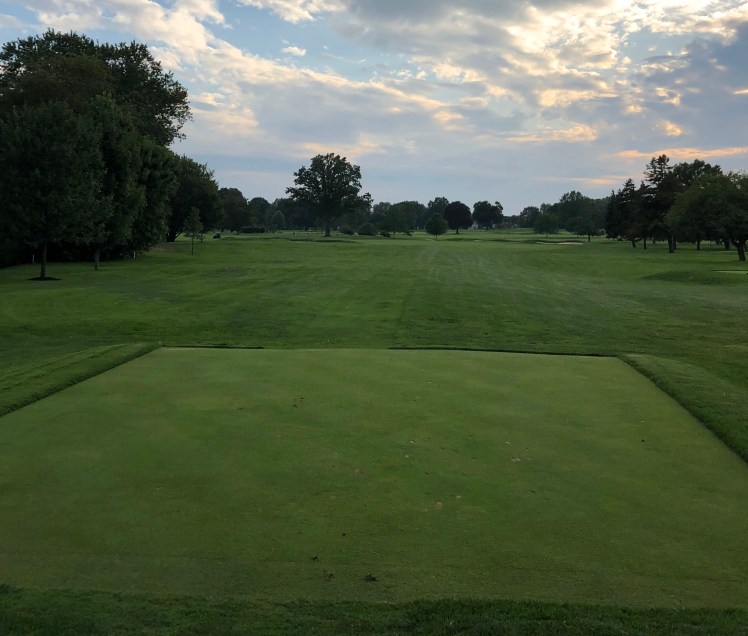
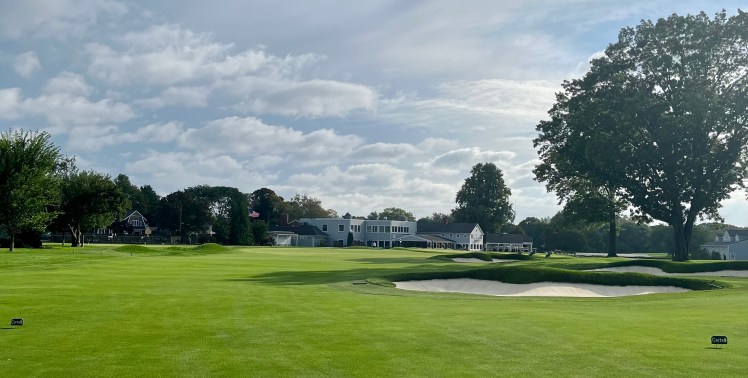
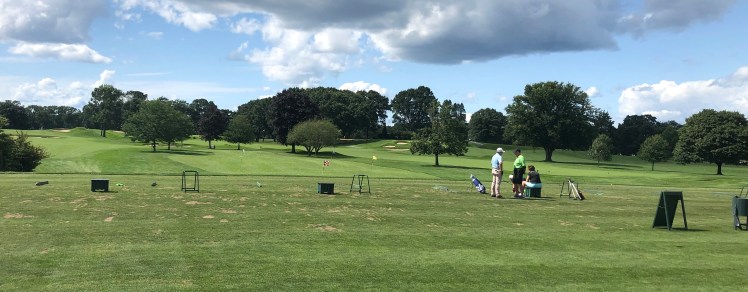
General Comments: As an old course built on 100 acres, there was no range on the original design and the current one is squeezed in between the 10th and 11th holes. Unfortunately, this means you can only hit up to about 150 yards. Recently, a net was installed next to the range to facilitate practicing longer shots. The short game facilities at Wannamoisett are strong, with an impeccably maintained putting green and chipping green. There are no teetimes and pace of play is usually fantastic. While there is a pool and tennis court, Wannamoisett is first and foremost a golf club and always has been. Junior golf at Wannamoisett is also the best in the state with numerous successful college and amateur players originating here.
Verdict: Perhaps the finest sub-par 70 course in the world, the charming Wannamoisett is undoubtedly among America’s finest parkland designs and a true architectural masterpiece on only 97 acres. Annual host of the prestigious Northeast Amateur, Wannamoisett prides itself on impeccable conditioning and features some of the best and most difficult greens in the country. This is an ideal members’ course and is absolutely worth a play if given the opportunity.
 Worldgolfer's Golf Course Reviews
23 thoughts on “Review: Wannamoisett Country Club”