Designer: A.W. Tillinghast (1935)
Location: Farmingdale, New York
History: Bethpage State Park is the largest government-owned golf complex in the country, with five courses sprawling out from the clubhouse. Along with the Blue, the Red Course was the first to open in 1935 as a WPA project. Immediately used in the U.S. Amateur Public Links Championship in 1936, the Red Course is the consensus second best and second most challenging of the five courses. Adjacent to the Red is the infamous Black Course, a notoriously challenging U.S. Open venue. Despite playing second fiddle to its neighbor, the Red Course is well-regarded as well, earning the following accolades:
- #65 Best Public Course in America – Golf Magazine (2024)
- #31 Best Course in New York – Golf Magazine (2024)
- #38 Best Course in New York – Top100golfcourses.com (2024)
- #6 Best Public Course in New York – Golfweek (2025)
Conditions: 8/10, In addition to being the second best layout at Bethpage, the Red Course is also the second best-conditioned, with true, quick greens and lush fairways and rough.
Value: 7/10, Bethpage as a whole offers great value and the Red is no exception with rates of about $50 for in-state golfers and double that for non-New Yorkers.
Scorecard:
Tee Par Yardage Rating Slope
Back 70 6921 74.4 133
Middle 70 6570 71.9 127
Forward 70 5686 74.1 128
Hole Descriptions: When I first began my golf travels many years ago, Bethpage Red was one of the first “exotic” courses I played outside my home state and I have very fond memories of that round. Recently, I had a chance to see the course for a second time and was able to contextualize it better now having seen many of the premier courses in the Northeast. Bethpage Red is a very strong municipal course and clearly the second best option at Bethpage. I don’t think it’s as close in quality to the Black as some people, but they do run adjacent to each other and are both Tillinghast designs from the same era. One could argue that the opening and closing holes are better on the Red Course but between these, the superior land movement on the Black leads to far more memorable holes. With that being said, the Red Course is a very solid layout with much of the front nine coursing over hillier terrain before a much flatter, linksier back nine. While certainly easier than the Black, there are some very difficult holes on the Red and the greens are quite similar between the courses. Overall, it is a course well-worth playing and is likely one of the top 10-15 public courses in New York.
As mentioned above, the opening hole is one of the best and most memorable holes at Bethpage Red. At 459 yards, this is the longest par 4 on the course and almost certainly the most difficult hole. This teeshot plays from an elevated teebox to a generous fairway lined by rough on the left and bunkered dunes down the right shared with the 18th on the Black. This approach shot then runs back uphill to a small, back-to-front sloped green. For most golfers, this is a three-shot hole and a very difficult start.
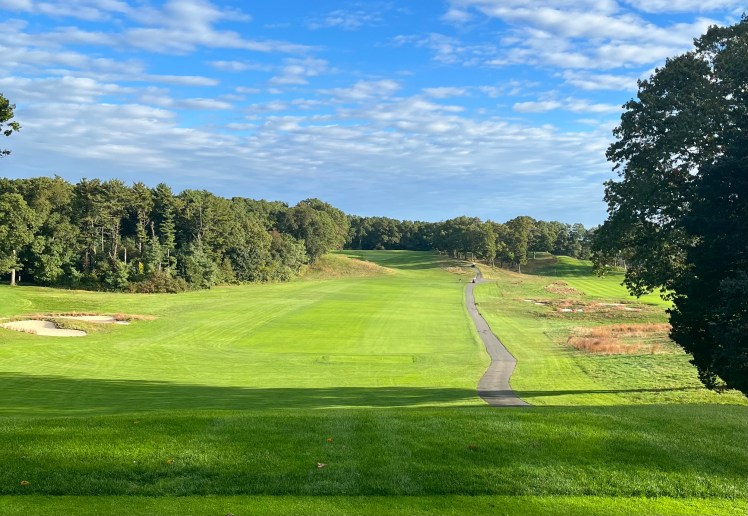
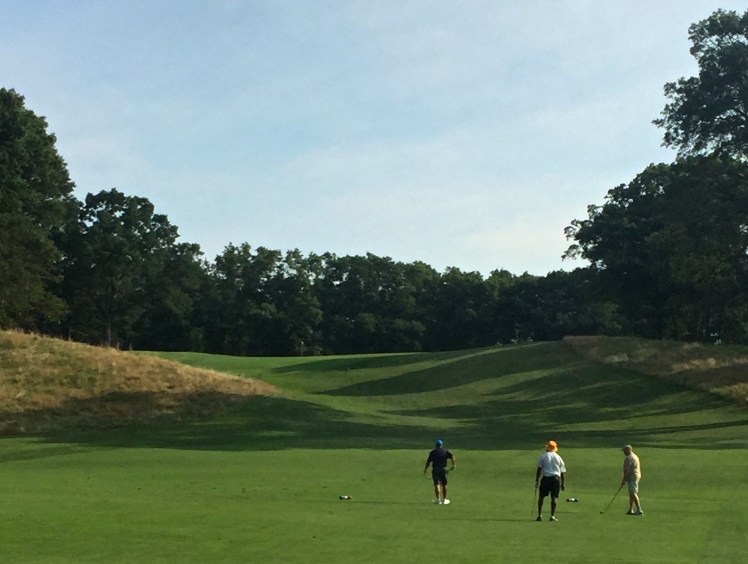
There are many doglegs at Bethpage Red with the first one coming at the 387 yard 2nd hole. This tree-lined dogleg left turns sharply at about 250 yards and those short of this or who bail out to the right will be left a long or blocked approach. This green slopes subtly back-to-front and is lined by a bunker left.
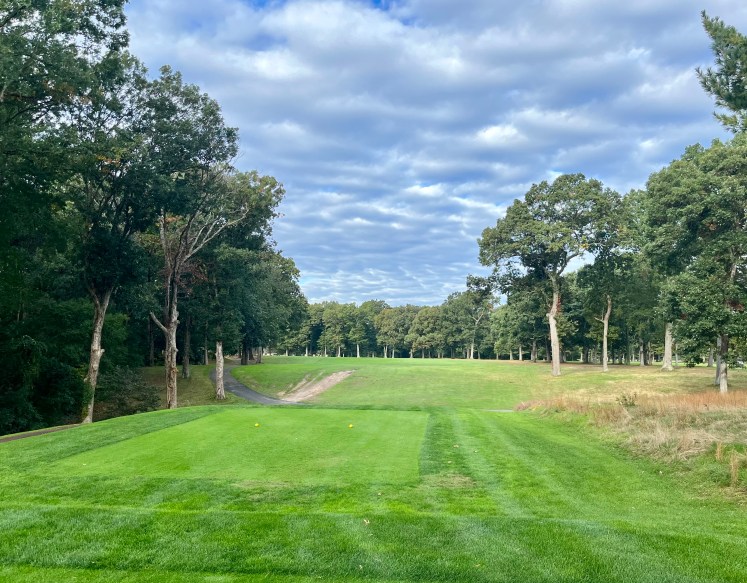
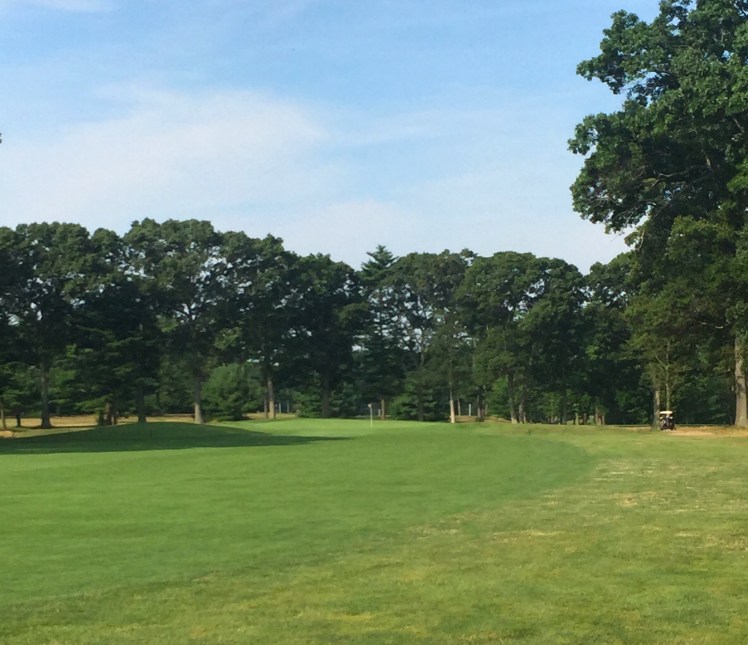
The 3rd hole is a complimentary hole to the 2nd, playing as a severe dogleg right at 368 yards. This fairway is again tree-lined and quite narrow and turns around 240 yards. This is a difficult teeshot for those who play a draw. A severely back-to-front sloped green lined by a right bunker awaits at this hole’s conclusion.
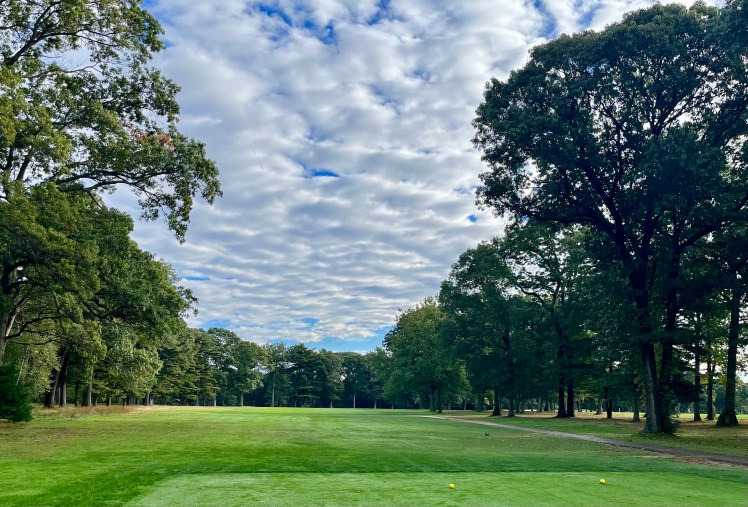
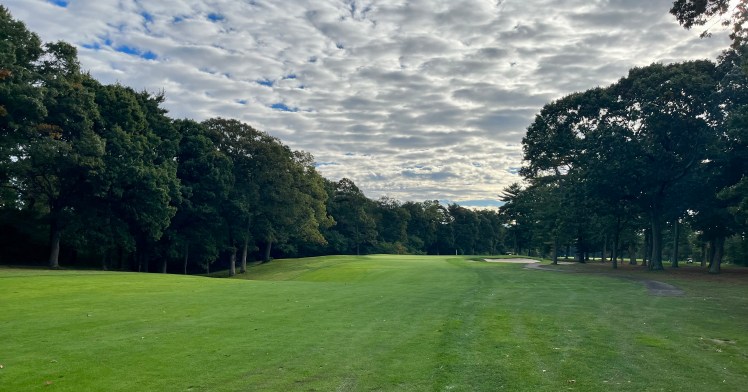
At 158 yards, the 4th hole is the first par 3 on the Red and likely the best. Playing remarkably similar to the 3rd on the Black, this one-shotter plays over a valley to a perched, back-to-front sloped green defended by a deep bunker short and steep slopes long. The only miss here is short right.
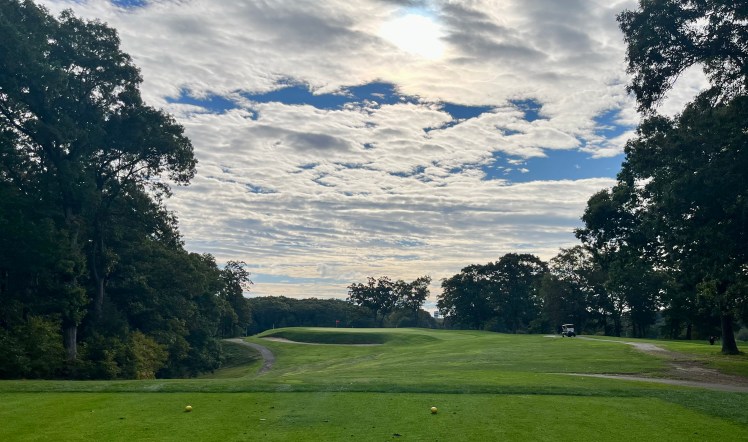
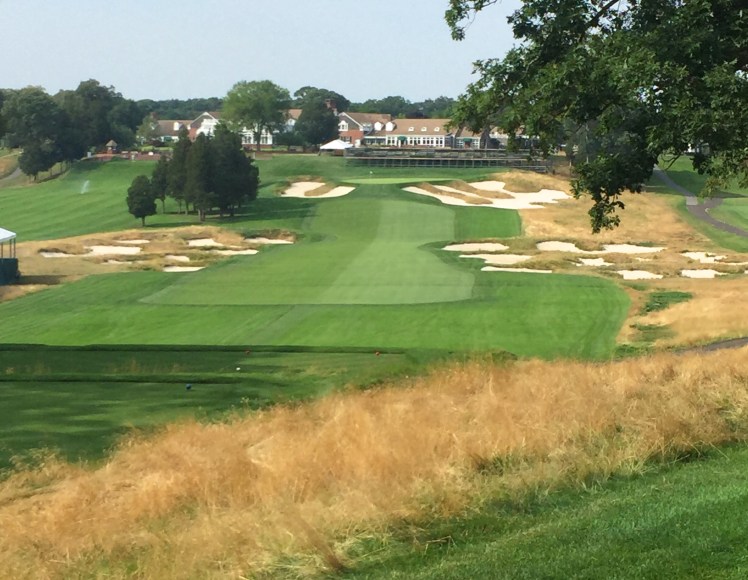
One of only two par fives on this par 70, the 5th is a strong hole playing as a 510 yard dogleg right. This fairway is on the narrower side and requires a lengthy teeshot to reach the dogleg around 300 yards. At this point, the fairway narrows even further and begins to turn uphill. This is a difficult lay-up for shorter hitters but longer golfers can likely go at this elevated, flatter green in two defended by bunkers on either side.
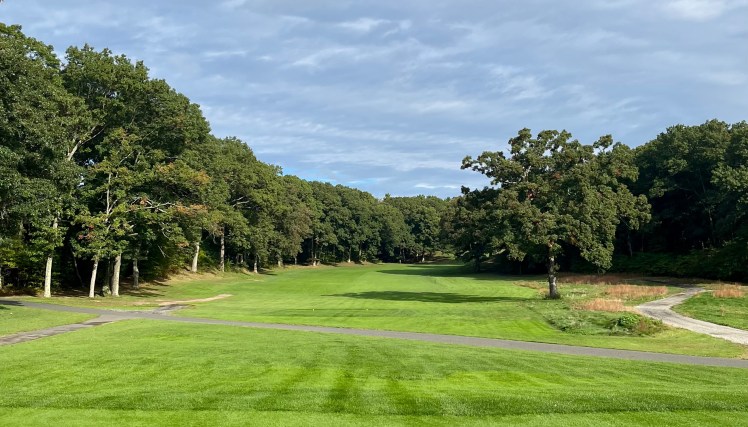
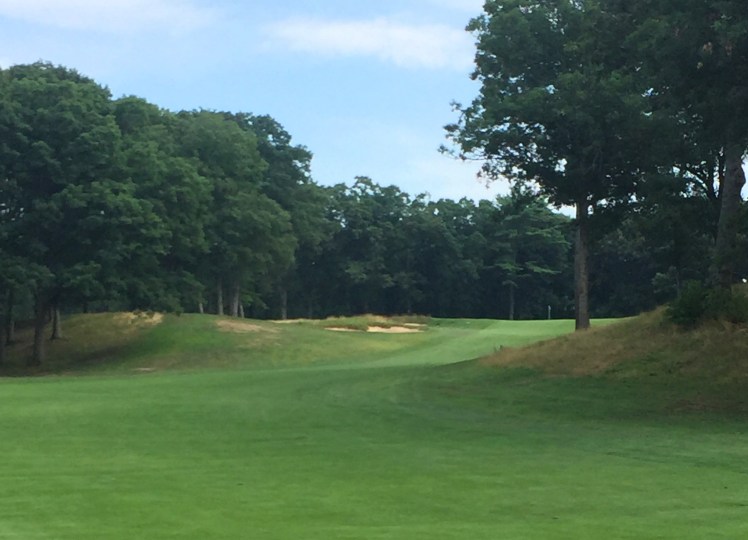
The 6th hole is the shortest par 4 on the course at just 337 yards and is a really interesting dogleg left. Again tree-lined, this teeshot plays semi-blind to a fairway that turns sharply around 230 yards. Longer hitters can certainly cut the corner here and even reach the green but beware of running through this fairway into the trees. This green is one of the best on the course, sloping hard right-to-left with bunkers left and tight lies long.
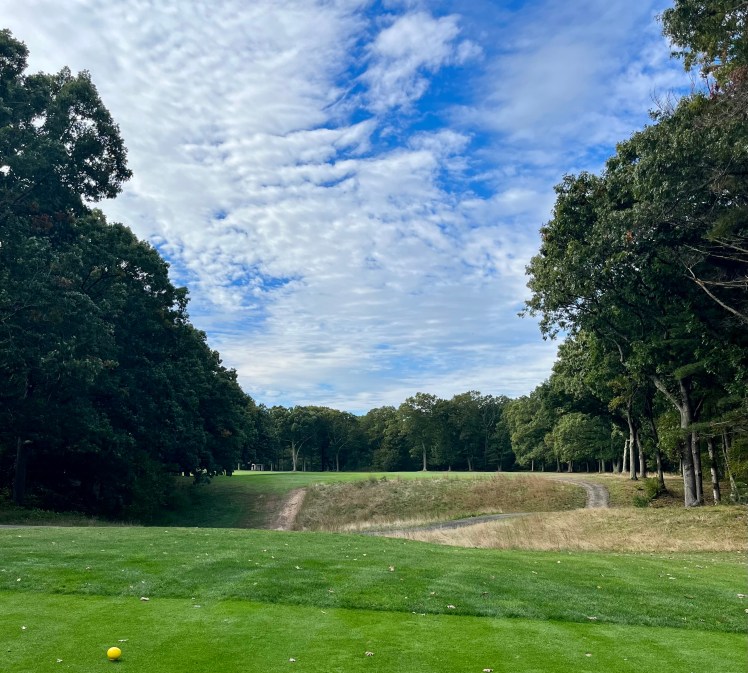
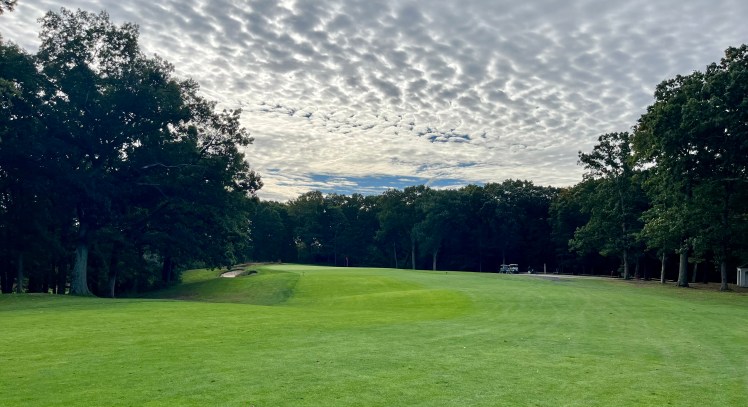
The 7th hole is a nice par 3 at 154 yards but is likely the most forgettable hole on the course. This one-shotter plays slightly uphill to a back-to-front sloped circular green defended by bunkers on either side.
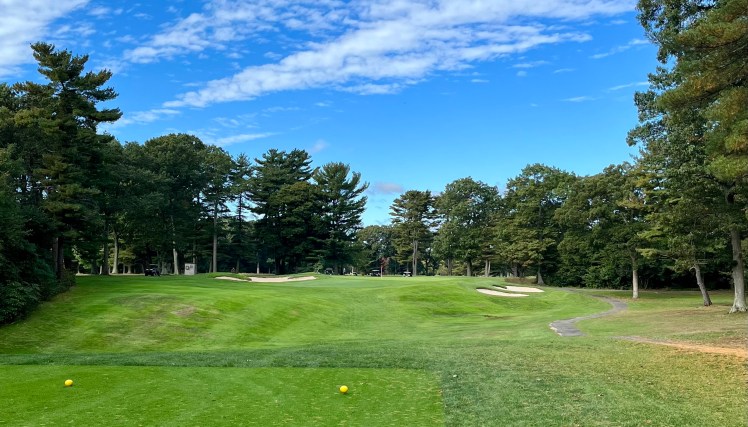
After this point, the tenor of the course changes and the terrain becomes much flatter and exposed for the next nine holes. The 8th hole marks the beginning of this stretch as a straightaway 378 yard par 4. This hole is notable for fantastic fairway bunkering with large bunkers down the left surrounded by fescue between 190 and 240 yards and a pesky right crossbunker at 250 yards. From here, the hole plays pretty straightforward to a back-to-front sloped green defended by bunkers left, long, and right.
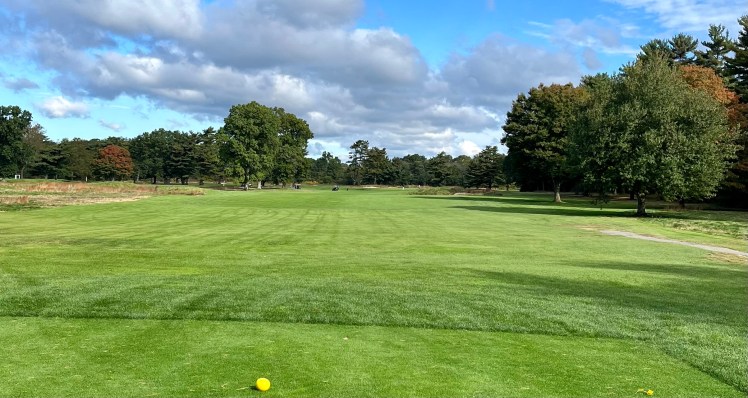
The number 1 handicap, the 9th hole is a tough 449 yard dogleg left par 4 featuring a difficult teeshot. The same fescue and bunker complex runs down the left side of this fairway for the first 240 yards while additional bunkers line the right around 270 yards. Those who can carry it over the left bunkers will be left an easier approach into a bowl-like green that slopes both back-to-front and right-to-left and is defended by large bunkers on either side. Pars are well-earned here.
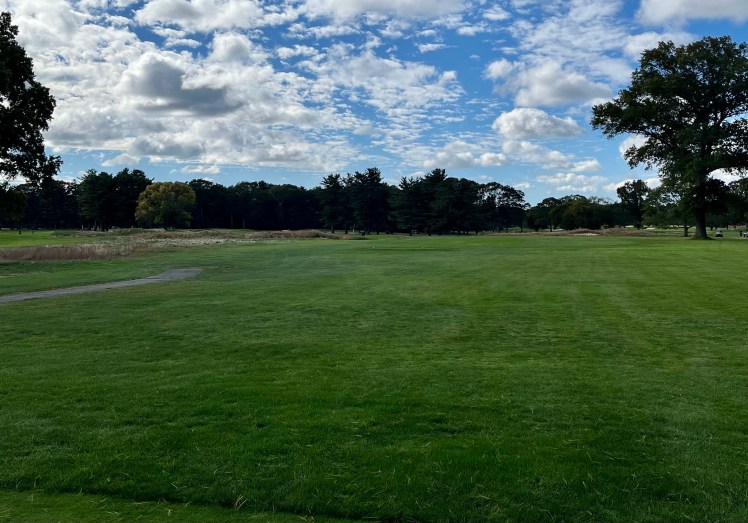
Like the Black Course, the 10th hole is miles away from the clubhouse and runs parallel to the 9th as a flat, 416 yard dogleg right par 4. This hole is again lined by fescue and bunkers on either side of the dogleg around 240 yards. This approach is fairly straightforward to a back-to-front sloped green lined by bunkers on either side. The stretch from 8-10 features some strong individual holes but is overall a bit repetitive for my tastes, especially when you consider 14 plays similarly as well.
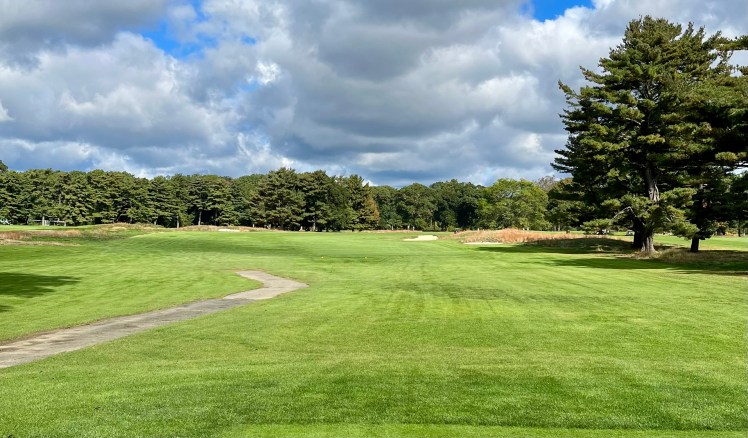
The 11th hole is another tough dogleg right par 4 at 432 yards playing on level terrain. While this fairway is initially quite generous, the difficulty in this hole lies in the fact that tall trees encroach down the right around 270 yards near the dogleg and will block out any misses short or right. This green is on the flatter side and is defended by a bunker right.
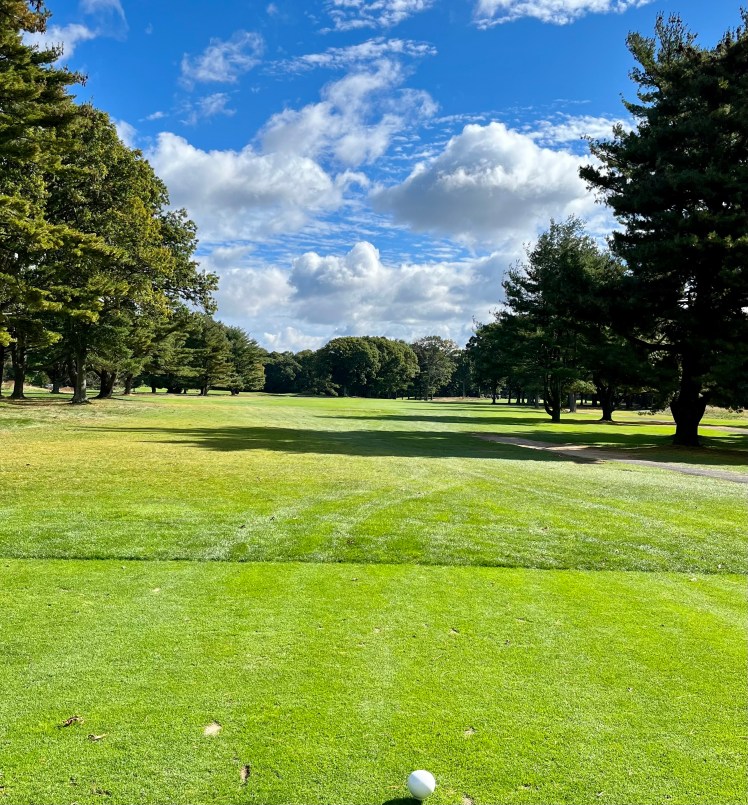
The 12th hole is the longest and most difficult par 3 on the course at 189 yards. This green is large and generally slopes back-to-front well-defended by numerous bunkers on either side.

The 13th hole is the best design on the course to many and a real standout hole. At 385 yards, this straightaway par 4 doesn’t look like much initially but features a double fairway split by a giant bunker complex about 220 yards in the middle of the fairway. This complex contains eight bunkers and should be avoided. The left fairway is narrower and harder to hit but offers a superior angle compared to the right side, which yields a blind approach into a diagonal green that is overall pretty flat and defended by bunkers on either side.
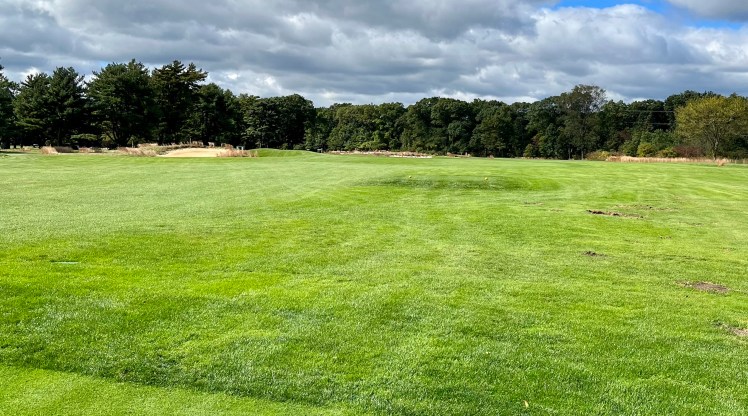
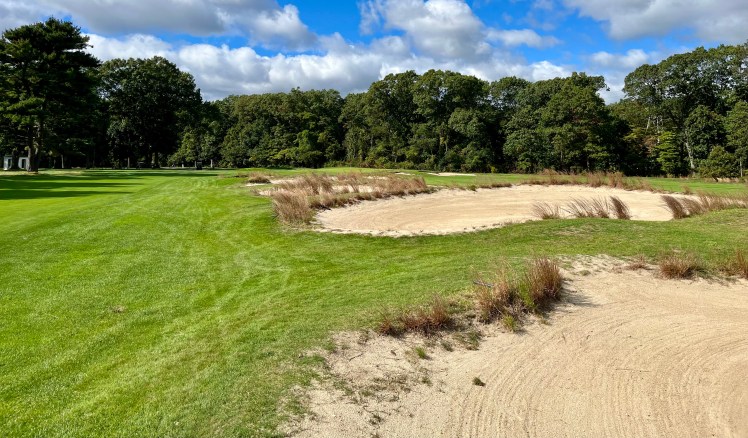
The 14th hole is reminiscent to the stretch from 8-10 and plays as a flat, 421 yard dogleg left. This fairway is quite generous but turns around 250 yards with another giant complex of bunkers and fescue down the left for much of the landing area. Once past this hazard, the hole plays straightforward to a back-to-front sloped green defended by bunkers on either side.
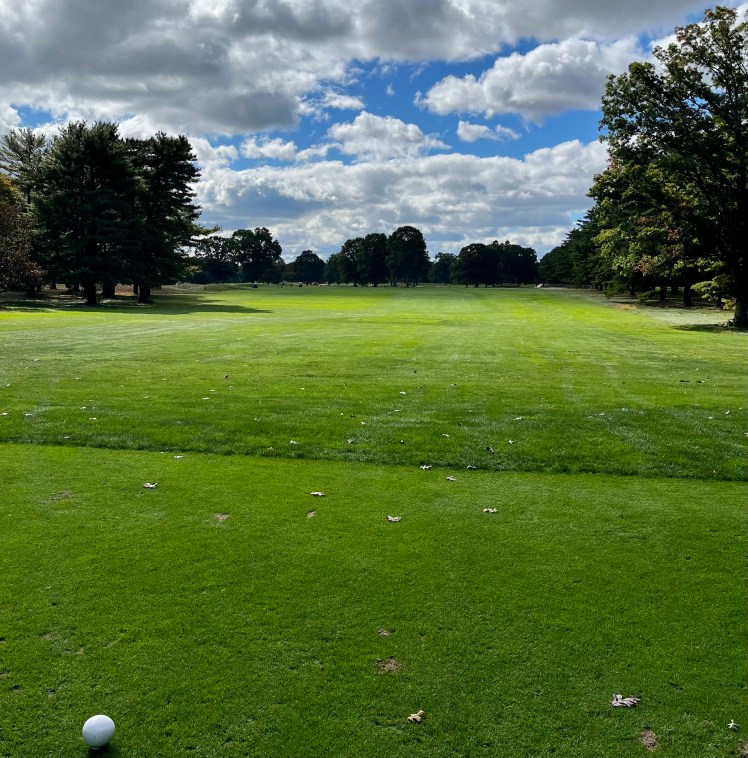
The 1st, 13th, and 18th all receive warranted attention as great par fours but I’m also a big fan of the 15th. At 438 yards, this is another extremely strong hole that marks the beginning of a closing stretch that plays more like the opening few holes over hillier terrain. This behemoth dogleg right features a narrow, tree-lined fairway that bends right around 250 yards. This is arguably the best approach on the course playing through a narrow corridor to a large, back-to-front sloped green lined by a bunker and fescue long right.
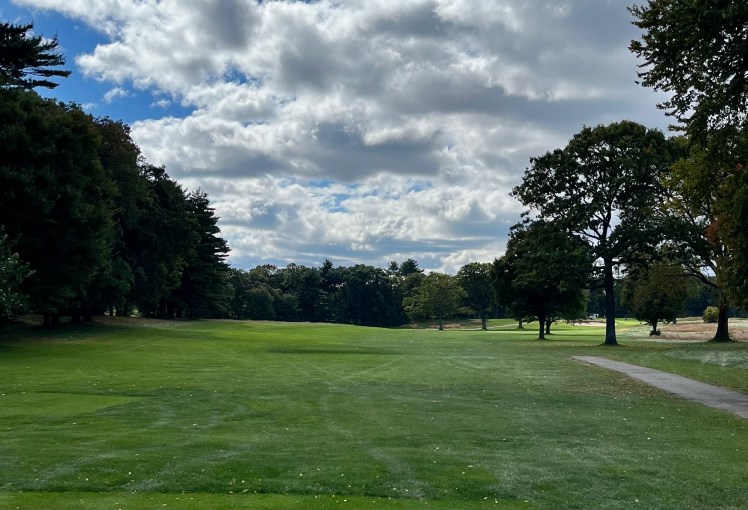
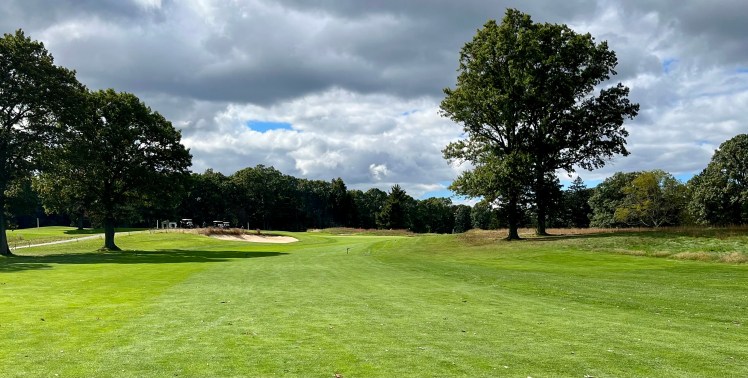
The 16th hole is the other par 5 on the course and is another nice hole as a 535 yard dogleg right. This hole features an exhilarating downhill teeshot to a tree-lined fairway that turns right at a 90 degree angle around 245 yards. The second shot here is an interesting one as it plays semi-blind uphill and makes the golfer decide whether to go at the green or lay-up well-short of pesky bunkers that squeeze the fairway 50 yards short of the green. This green is an excellent one, sloping right-to-left and playing quicker than you’d expect.
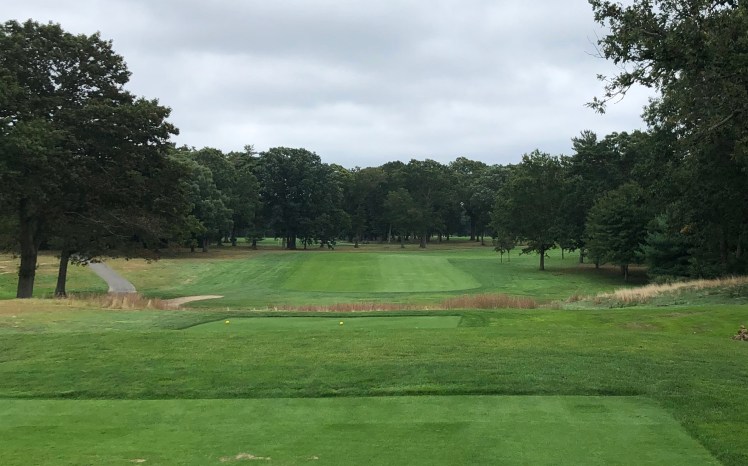
The penultimate hole is an 153 yard par 3 playing similarly to the 4th running uphill over a valley of rough to a back-to-front sloped green lined by a bunker short.
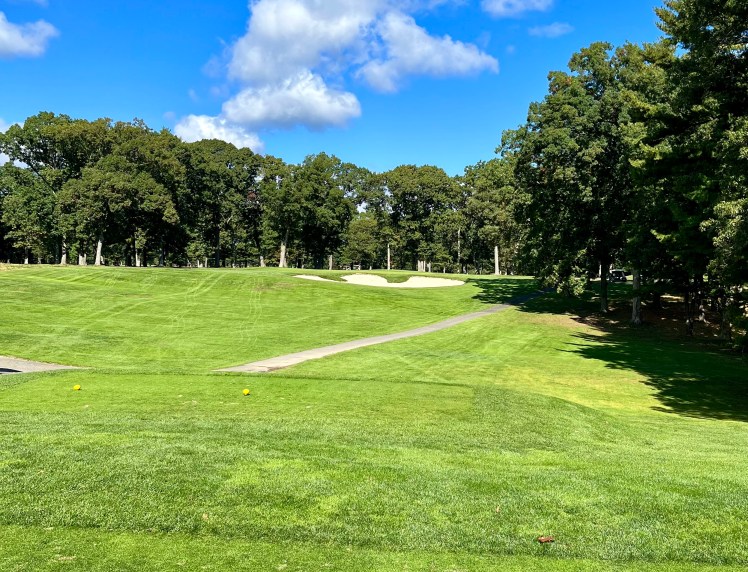
Bethpage Red closes in strong fashion with a 401 yard straightaway par 4 that plays similar but better than the Black’s closer. This teeshot plays downhill from an elevated teebox to a fairway that snakes between crossbunkers down the left at 230 yards and right at 260 yards. I love the way the right bunker sinks into the hillside and feel this hole plays somewhat like nearby Friar’s Head’s famous 15th. While most approaches at the Red Course are open in front, this approach plays more like the Black Course with an elevated, back-to-front sloped green surrounded by a moat of bunkers.
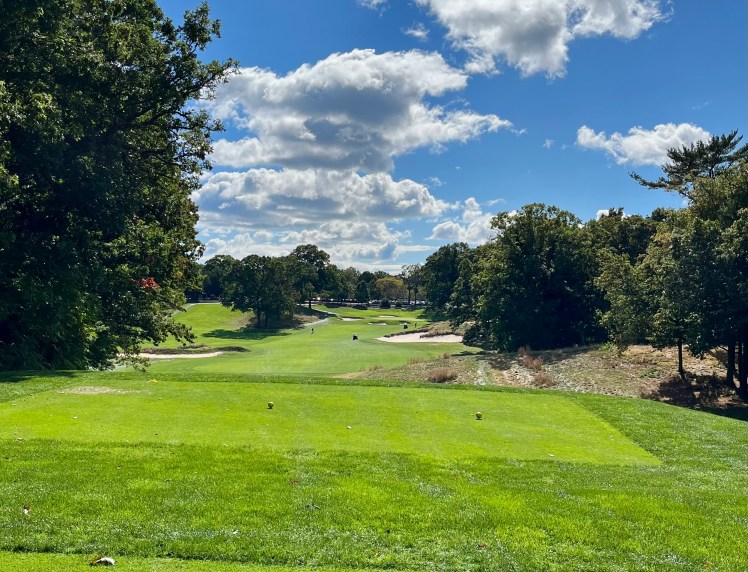

General Comments: The Bethpage complex is massive, but practice facilities are rather mundane with a limited range and putting green near the clubhouse. The clubhouse is modest and unassuming, and there isn’t much in terms of amenities on the course. Pace of play has been okay when I’ve played but I imagine can get slow on a course with every teetime filled.

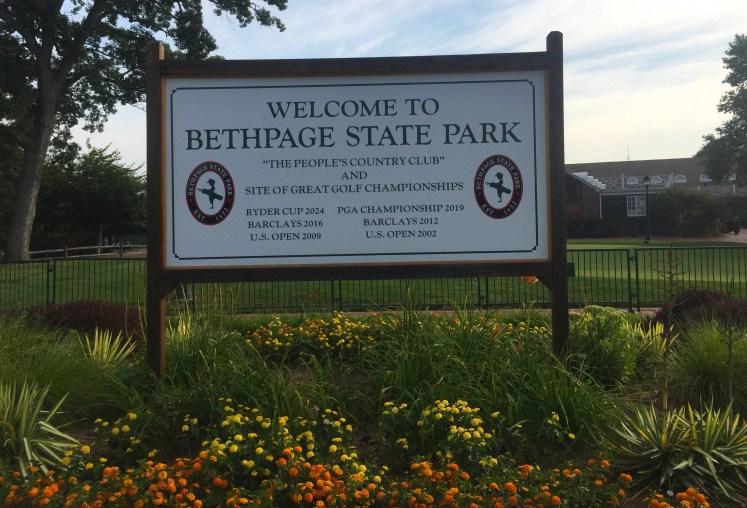
Verdict: Every serious golfer should try their hand at Bethpage Black, but given the difficulty getting on, Bethpage Red should not be seen as a consolation prize. This is another pure Tillinghast design and a better option for mid-to-high handicappers.
 Worldgolfer's Golf Course Reviews
Awesome course, I get to play it every year and it’s always challenging. But I love it!
Im sure your readers would my golf equipment and course reviews at https://www.golfreviewer.net take a look and let me know what you think.
LikeLike